Location: Home >> Detail
Adv Geriatr Med Res. 2026;8(3):e260022. https://doi.org/10.20900/agmr20260022
 ,
Pearpilai Jutasompakorn 2 ,
Muhammad Mujahid Liyakkathali 1 ,
Fayth Tan 1 ,
Rui Ann Teo 1 ,
Xiaowen Hong 1 ,
Tianma Xu 1,*
,
Pearpilai Jutasompakorn 2 ,
Muhammad Mujahid Liyakkathali 1 ,
Fayth Tan 1 ,
Rui Ann Teo 1 ,
Xiaowen Hong 1 ,
Tianma Xu 1,*
1
2
*
Background: Frailty in older adults is associated with increased healthcare utilisation, functional decline, and poorer quality of life. The Say No To Frailty (SNTF) program is a multicomponent, community-based intervention designed to address modifiable risk factors of frailty. This study assessed the cost-effectiveness of the SNTF program compared with usual care, and compared cost-effectiveness between delivery by Allied Health Professionals (AHPs) and non–AHP facilitators. Methods: A pilot economic evaluation was conducted using data from the second phase of a larger cluster-randomised controlled trial. Health outcomes were measured using the EQ-5D-5L, with Quality-Adjusted Life Years (QALYs) calculated over 12 months. Costs included program-related and frailty-related healthcare utilisation. Incremental cost-effectiveness ratios (ICERs) were estimated by comparing intervention arms with usual care. Regression analyses were performed to adjust for baseline differences in health utility. Results: Thirty participants from 3 participating centres participated in this study. Both SNTF intervention arms (AHP-led = 7, non-AHP-led = 10) generated higher QALYs than usual care (n = 13) over 12 months, associated with higher costs. The AHP-led arm demonstrated more favourable cost-effectiveness estimates than the non–AHP-led arm when compared with usual care. However, adjusted incremental QALY differences were not statistically significant, and ICER estimates were sensitive to extreme costs; therefore, findings should be considered preliminary. Conclusions: The SNTF program, particularly when delivered by AHPs, shows potential for cost-effectiveness in community-dwelling older adults. However, given the pilot nature and associated uncertainty, larger studies with longer follow-up are needed to confirm these findings and inform policy decisions. Trial Registration: Australia New Zealand Clinical Trials Registry, ACTRN12621001673831.
QALYs, quality-adjusted life years; ICERs, incremental cost-effectiveness ratios; SNTF, Say No To Frailty; AHP, Allied Health Professional; CFS, Clinical Frailty Scale; AMT, Abbreviated Mental Test; MBI, Modified Barthel Index; Arm A, AHP-led group; Arm B, Non-AHP-led group; Arm C, Control group
Singapore is experiencing rapid population ageing, with the proportion of adults aged 65 years and older rising by 6% annually from 2015 to 2017 [1]. By 2030, nearly one in four Singaporeans (24.1%) will be aged 65 and above [2]. Among this population, 6.2% are classified as frail, while a further 37% are considered pre-frail, according to a 2017 study [3].
Frailty is a pressing public health concern, as it accelerates the decline of overall health and organ function in middle-aged and older adults [4]. It triggers a cascade of functional losses, increasing vulnerability to complications. Individuals with frailty face heightened risks of falls, fractures, disability, cognitive decline, hospitalisations, and mortality [5], which can all drive up healthcare costs [6].
Fortunately, evidence suggests that frailty can be reversed or mitigated through single or multicomponent interventions [7]. Early identification and timely intervention are particularly critical, as they may reduce or even reverse frailty in its initial stages [8]. These findings highlight the need for community-based frailty management programs to improve individual health outcomes and reduce the economic burden on the healthcare system [9].
In Singapore, several community-based programs have been introduced to address frailty and promote healthy ageing among older adults. One example is the Healthy Ageing Promotion Program for You (HAPPY), which adopts a peer-led, dual-task exercise model combining physical and cognitive activities [10]. Another program, Gym Tonic, focuses on supervised resistance training using pneumatic machines in senior centres [11]. Additionally, the Singapore Frailty Intervention Trial (FIT) evaluated the effects of nutritional supplementation, physical training, cognitive training, and their combinations on frailty reversal [12]. While these programs illustrate promising strategies, most local initiatives have emphasised single or dual components, and issues such as program intensity, duration, and resource demands remain challenges for sustainable implementation in community settings [13,14]. This points to the need for a scalable, multicomponent, and community-anchored solution to manage frailty in an ageing population in Singapore.
The SNTF program was developed to address these gaps. Grounded in international and Asia-Pacific guidelines, SNTF takes a multicomponent, multidisciplinary approach targeting modifiable risk factors such as malnutrition, muscle weakness, and polypharmacy. The pilot phase of the 12-week program demonstrated its feasibility and produced short-term improvements, such as reductions in frailty and improvements in physical function [15]. Subsequently, a recent cluster-randomised controlled trial (c-RCT) [16] suggested that SNTF may be effective in the long term for improving frailty outcomes, functional abilities, self-efficacy, social engagement, quality of life, and reduced falls among community-dwelling older adults with pre-frailty and frailty in Singapore. Notably, these benefits were observed irrespective of whether program facilitators were healthcare professionals or not [17]. Overall, the program was well received, with participants reporting that they were able to apply the strategies they had learned to facilitate positive behavioural changes in their daily lives, leading to healthier lifestyles [18].
While the clinical effectiveness of the SNTF program has been explored [17], its cost-effectiveness remains to be evaluated. Cost-effectiveness analysis allows for the objective comparison of different health interventions to identify which option delivers the greatest overall health outcomes within the healthcare system’s limited resources [19,20]. Evaluating the cost-effectiveness of SNTF is therefore critical to determine whether the program provides sufficient value for money to justify large-scale implementation within Singapore’s resource-constrained community care sector. The primary aim of the study, therefore, was to determine the cost-effectiveness of the SNTF program compared with usual care among community-dwelling older adults with pre-frailty and frailty in Singapore over 12 months. The secondary aim was to compare the cost-effectiveness of the SNTF program between arm A and arm B.
This study is part of a larger clinical trial, where further details can be found in the protocol paper [16]. The clinical trial was designed as a three-arm c-RCT to evaluate the clinical and cost-effectiveness of the SNTF multicomponent frailty management program over 12 months. In this paper, data were analysed from phase two of the c-RCT, involving one site per study arm (See Figure 1). Participating sites were randomly allocated to one of three study arms: arm A, arm B, or arm C. Participants in both intervention arms completed the 12-week frailty management intervention “SNTF”, while the control arm continued with usual care.
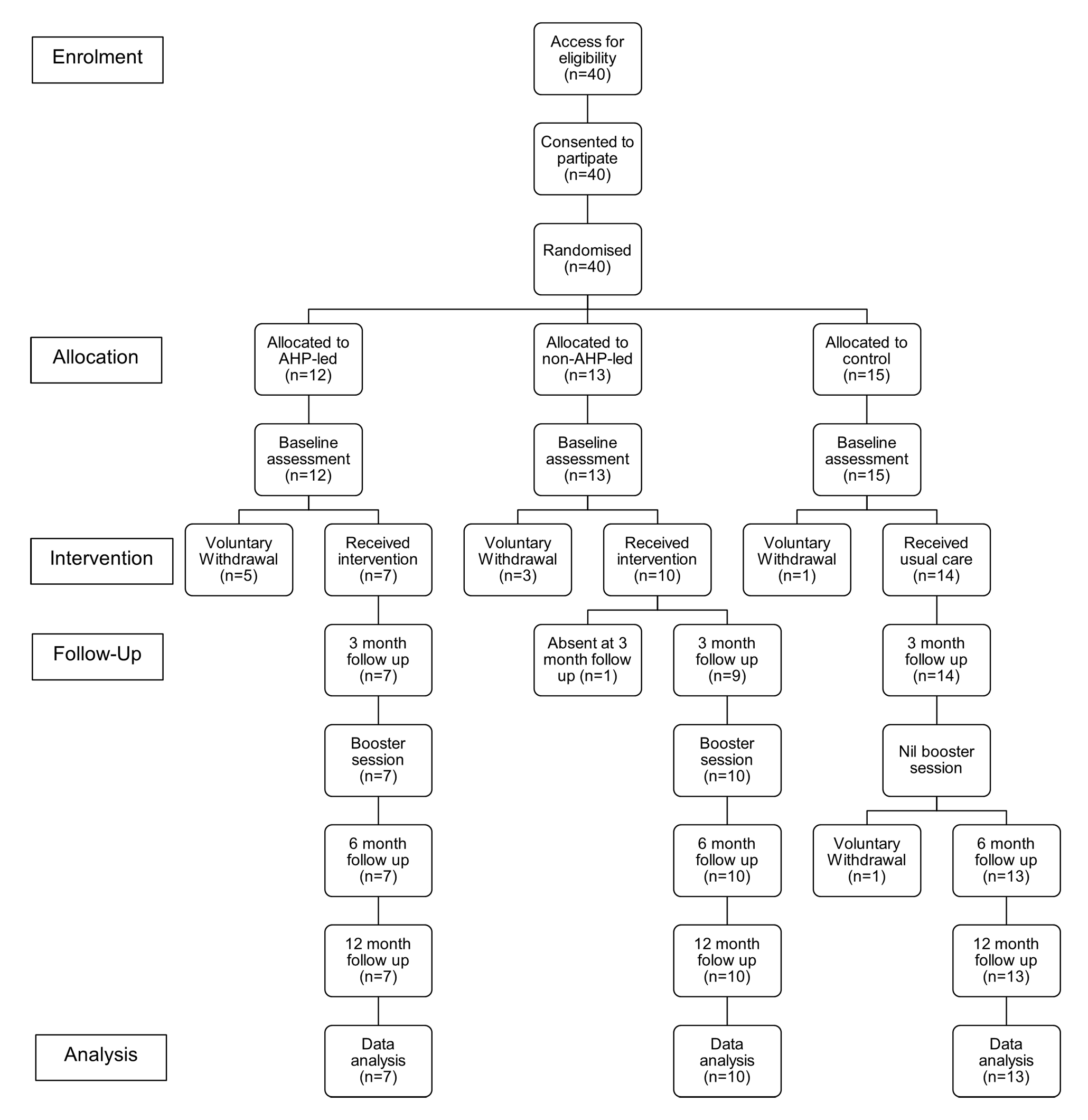 Figure 1. Study flow chart.
Older adult participants were recruited using convenience sampling at participating Active Aging Centres. Inclusion criteria were: (1) aged 65 years or older; (2) staying at home; (3) able to communicate verbally and comprehend instructions; (4) able to ambulate at least 10 m independently, with or without the use of a walking aid; (5) having a CFS score of 4 to 6; and (6) AMT score of more than 5 [21], indicating absence of severe cognitive impairment. Those with mild cognitive impairment AMT scores 6 or 7 were required to attend sessions with a caregiver. Participants with a recent cardiac arrest or unstable medical conditions were excluded.
All participants were informed of their assigned study arm. To minimise detection bias, participants were instructed not to disclose their group allocation to assessors prior to each assessment.
Program FacilitatorsProgram facilitators included AHPs and non-AHPs with at least one year of experience working with older adults. All program facilitators attended a three-day training workshop conducted by the master trainer of the SNTF program (TX).
Interventions The Say No To Frailty Program (Intervention Arms A & B)The SNTF program is made up of 12 weekly group sessions delivered over 3 months by either arm A or arm B. Sessions are conducted in small groups of 10–12 participants at Active Aging Centres, with follow-up support comprising a booster session at one month and a telephone call at three months post-intervention. Each two-hour session consisted of three components: (1) a one-hour educational seminar led by healthcare professionals, covering frailty, chronic disease management, fall prevention, and healthy aging strategies; (2) a 15-min break to encourage peer interaction; and (3) a 45-min low-to-moderate intensity exercise session focusing on strength and balance. The Otago Exercise Program [22] and a research-informed frailty program [23] were used as a reference for the exercises. To promote adherence and progression, home exercises were prescribed and reviewed weekly. Individualised goals established at the start of the program were reviewed at the midpoint and the final session. Program facilitators also contacted absentees to provide updates on missed content. Further details of the intervention can be found in the protocol paper [16].
Usual CareAll arms received routine centre-based activities provided by Active Aging Centres. Participants allocated to arm C continued with usual care, without receiving the SNTF intervention. These included centre-based activities, such as physical activities (fitness exercises and outings), and social and cognitive activities (arts and crafts, singing, and communal dining).
Outcome MeasuresFrailty. In line with recommendations from the International Consortium of Health Outcomes Measurement, frailty status was assessed using the CFS [24]. The CFS is a 9-point scale ranging from “1 = very fit” to “9 = terminally ill”, with higher scores indicating greater frailty [25]. Assessment of participants’ frailty status was conducted using the Singapore-developed Clinical Frailty Scale algorithm (CFS-A) to minimise interrater variability [26].
Quality of life. The EuroQol five-dimensional questionnaire (EQ-5D-5L) [27] was used to assess participants’ self-perceived quality of life across five domains: mobility, self-care, usual activities, pain/discomfort, and anxiety/depression. Each domain is rated on a five-level scale ranging from “1 = no problem” to “5 = unable to carry out the activity”. In addition, participants rated their overall perceived health using a Visual Analogue Scale (VAS), ranging from “0 = worst imaginable health” to “100 = best imaginable health”.
Other outcome measures include: 1) Short Physical Performance Battery (SPPB) to assess lower limb physical function, 2) Falls-Efficacy Scale-International (FES-I) to assess the level of concern about falling during daily activities, and 3) Life-Space Assessment (LSA) to assess the extent of mobility and the level of community participation. Further details are described in the study protocol [16].
Data CollectionUpon successful enrolment, baseline participant characteristics were collected, including demographics (age, sex, primary language), medical status (number of current medications, vision, hearing, mobility status, history of falls in the preceding six months), and social factors (living arrangement, caregiver availability). Cognitive status and functional independence were also evaluated using the AMT and MBI.
Baseline screenings and post-intervention assessments were conducted at participating Active Aging Centres by independent assessors who remained blinded to group allocation. To ensure consistency, all assessors underwent standardised training led by the last author (TX). Outcome measures were conducted at participating centres at baseline (T0), 3rd month (T1), 6th month (T2), and 12th month (T3).
Healthcare Utilisation and Associated CostsData on healthcare utilisation and associated costs were obtained by a research assistant through monthly follow-up telephone calls or face-to-face meetups during the 12-month study period.
Data AnalysisThe dataset analysed represents Phase Two of a larger c-RCT study. Only participants who fully completed the study were included in the final analysis (i.e., were present at least during the assessment at baseline and 12th month, and completed the intervention/usual care). Baseline characteristics were compared across AHP-led, non-AHP-led, and control groups. The Shapiro–Wilk test was applied to determine whether continuous variables followed a normal distribution. Normally distributed variables with equal variances were analysed using one-way ANOVA with Bonferroni-adjusted pairwise comparisons [28]. Non-normally distributed variables were analysed using Wilcoxon rank-sum tests for pairwise group comparisons. Kruskal–Wallis tests were used only where an overall three-group comparison was required.
Categorical variables were analysed using chi-square tests, with expected cell counts examined. Fisher’s exact test was used when chi-square assumptions were violated, and pairwise Fisher’s exact tests were conducted to compare groups. Where multiple pairwise comparisons were performed for the same variable, Bonferroni correction was applied by adjusting the significance threshold to control for family-wise error. Cost-effectiveness analyses, including QALY calculations and ICER estimation, were performed on Stata 19.0 BE and Microsoft Excel® (2026 version), with a p-value < 0.05 considered statistically significant.
A QALY integrates both quantity (length of life) and health-related quality of life into a single health outcome; one QALY represents one year lived in perfect health. QALYs over the 12-month study period were calculated by multiplying the duration of each time interval by the average EQ-5D-5L utility score observed during that period [29]. Missing EQ-5D-5L data for one participant were imputed using linear interpolation. EQ-5D-5L subscales were converted to utility index scores using the EQ-5D-5L Value Set for Singapore [30]. A higher index score represents higher health utility. As the study duration did not exceed 12 months, costs and QALYs were not discounted, consistent with standard practice for short-term economic evaluations. QALYs were adjusted for baseline EQ-5D-5L utility score differences using a regression-based approach, consistent with established recommendations [31].
Costs included program-related costs and direct medical costs related to expenses incurred from frailty-related incidents, reported in Singapore dollars at 2024 prices. Program-related costs in intervention arms included manpower costs, staff training, purchase of resistance bands, and other program-related logistic costs. Program costs were incurred only during the intervention period (baseline to 3rd month). The cost of usual care was not included, as all groups received routine centre-based activities provided by Active Aging Centres; therefore, these costs were assumed to offset one another. This assumption is supported by the standardised nature of Active Ageing Centre programming in Singapore, where routine activities follow national guidelines. Additional costs were incurred only in the intervention arms due to the implementation of the SNTF program. This analysis was conducted from a healthcare system perspective. A direct medical cost was classified as frailty-related if directly attributable to a frailty-associated event (falls, fall-related injury, acute functional decline), as determined by a trained research assistant. Frailty-related incidents included relevant visits to the emergency department, hospitalisations, specialist consultations, and falls-related incidents [32,33]. Both cash and Medisave payments were included, with missing frailty-related healthcare costs estimated using publicly available cost references (i.e., the mean cost of patients with osteoporotic hip fractures who received surgical treatment was S$10,515 [34] and the mean general practitioner fee was S$35 [35]).
Cost-effectiveness analyses were conducted for three pairwise comparisons: (i) intervention arm A versus control arm, (ii) intervention arm B versus control arm, and (iii) intervention arms A versus B. Incremental Cost-Effectiveness Ratios (ICERs) were calculated as the difference in mean costs divided by the difference in mean QALYs between groups, also known as dividing incremental costs by incremental QALY (See Equation (1)).
Incremental cost represents the difference in costs between the intervention and control groups, while incremental QALY represents the difference between the QALY gained from the intervention and the QALY gained from the control. Positive incremental costs indicate higher costs in the intervention group, whereas negative incremental costs indicate cost savings. Similarly, positive incremental QALYs indicate greater health gains associated with the intervention.
Interpretation of ICERs was based on the joint distribution of incremental costs and incremental QALYs. Interventions that were both less costly and more effective than the comparator were considered dominant, while those that were more costly and less effective were considered dominated. Positive ICER values indicate that one study arm achieves additional health benefits at an additional cost, while negative ICER values indicate either dominance or being dominated by the comparator study arm, depending on the direction of incremental costs and QALYs [36].
Costs, QALYs, and ICERs were calculated at each assessment time point. QALYs were rounded to three decimal places while costs and ICERs were rounded to the nearest dollar. Confidence intervals (CIs) and p-values were rounded to three decimal places.
Frequency of healthcare utilisation was also analysed across the four time points and stratified by CFS score in all three study arms.
Forty eligible participants were enrolled across three centres during phase two of the study. Participants were allocated to the AHP-led intervention group (n = 12), the non-AHP-led intervention group (n = 13), or the control group (n = 15). Ten participants withdrew midway throughout the study due to personal reasons, resulting in a final sample of 30 participants (75% retention rate). Baseline characteristics of the participants are summarised in Table 1.
The majority of the participants were Chinese (83.3%) and female (96.7%). The mean age of the participants was 76 years, with a CFS mean score of 4.4. Eleven participants reported at least one fall in the six months prior to baseline assessment (AHP-led group: n = 3, non-AHP-led group: n = 6, control group: n = 2) prior to the study. While groups were generally comparable, statistically significant differences were observed between the non-AHP-led group and the control group for mobility (p = 0.013). The difference in falls history between the control and non-AHP groups (p = 0.039) was not statistically significant after Bonferroni correction (p = 0.039 > adjusted α = 0.0167). Mean baseline EQ-5D-5L index score differed across groups, with the non-AHP-led group having the lowest mean baseline EQ-5D-5L index score (0.770), compared with the control group (0.830) and the AHP-led group (0.870).
Given the observed variations in baseline health utility, regression analysis was conducted to assess the impact of initial health status on health outcomes (see Table 2). Baseline EQ-5D-5L index scores were largely found to be a strong predictor of total QALYs accumulated over follow-up across all pairwise comparisons. Specifically, a higher baseline EQ-5D-5L score of 1.0 was associated with an increase of 0.267 QALYs (95% confidence interval [CI] 0.143 to 0.391, p < 0.001) in the AHP-led versus non-AHP-led groups, and 0.297 QALYs (95% CI 0.156 to 0.438, p < 0.001) in the non-AHP-led versus control groups. In the AHP-led versus control comparison, a positive association was observed between baseline EQ-5D-5L utility and total QALYs, though this did not reach statistical significance (coefficient 0.353; 95% CI −0.014 to 0.720; p = 0.058).
These findings indicate that participants with higher baseline EQ-5D-5L index scores gained substantially more QALYs over the study period, necessitating the use of baseline-adjusted regression models for estimating incremental QALYs [31].
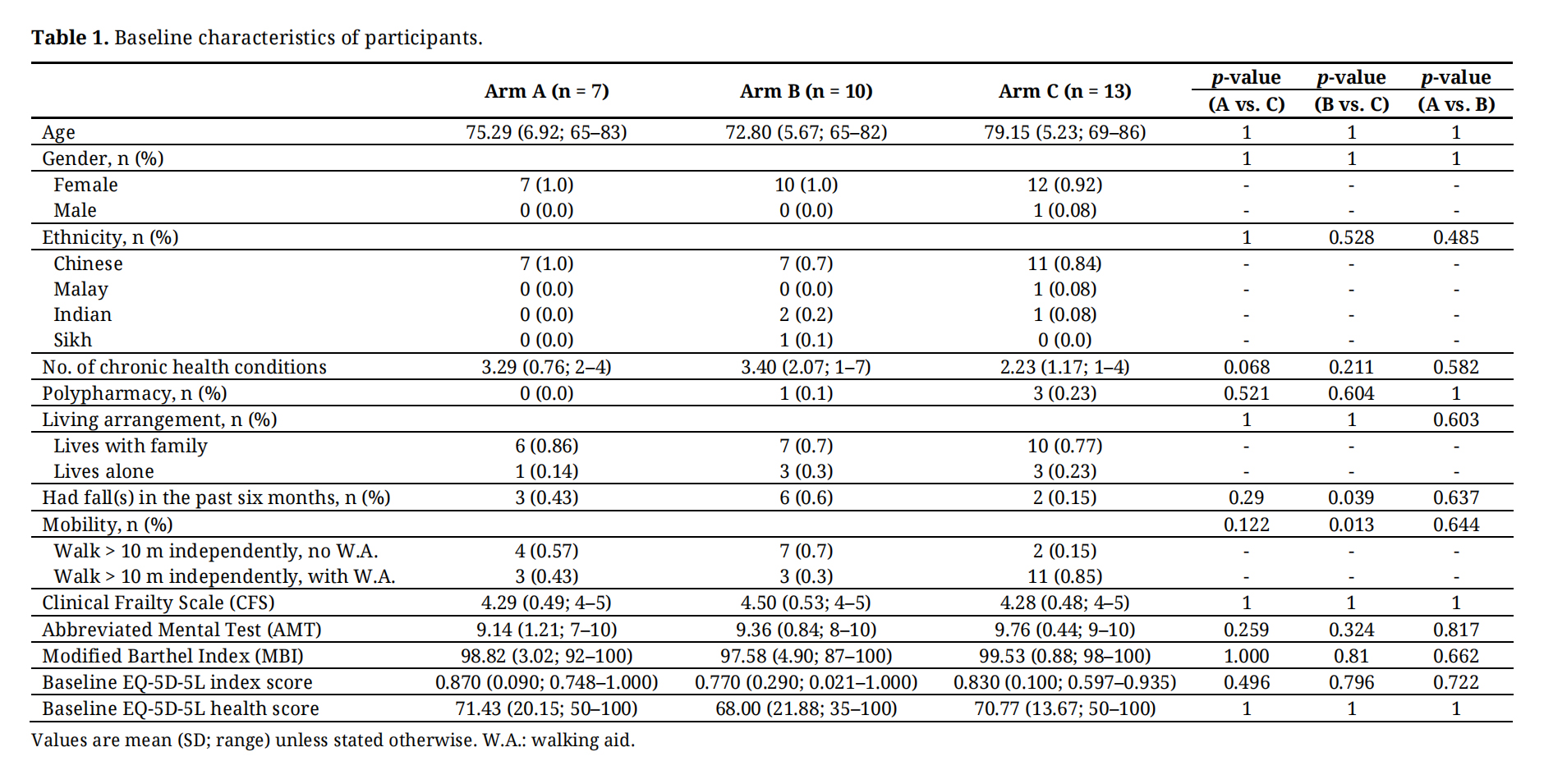 Table 1. Baseline characteristics of participants.
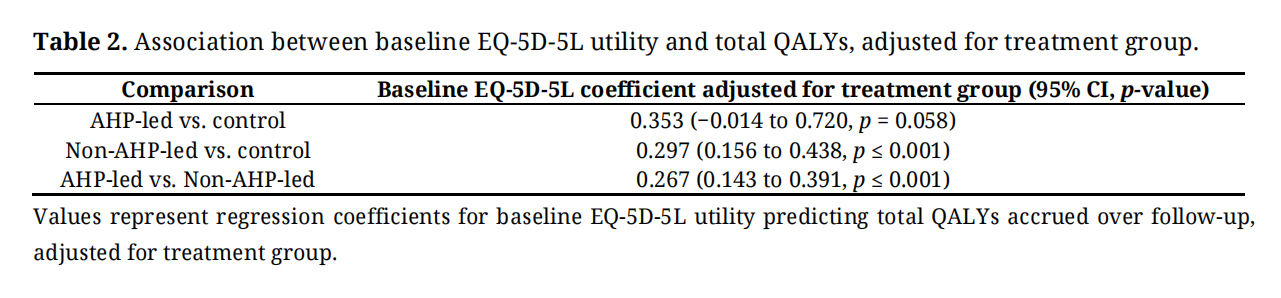 Table 2. Association between baseline EQ-5D-5L utility and total QALYs, adjusted for treatment group.
Table 3 summarises the average cost per participant (includes program cost and health utilisation cost) and average QALYs gained per participant across the four time intervals: baseline to 3rd month, 3rd to 6th month, 6th to 12th month, and baseline to 12th month.
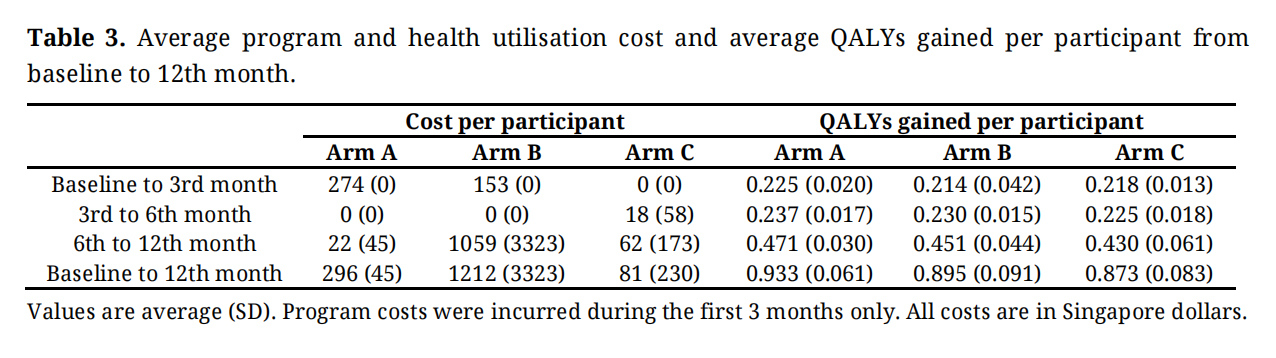 Table 3. Average program and health utilisation cost and average QALYs gained per participant from baseline to 12th month.
The total program cost was S$1920 for the AHP-led group and S$1530 for the non-AHP-led group, corresponding to an average program cost per participant of S$274.29 and S$153.00, respectively. Over the 12-month period, the non-AHP-led group incurred the highest mean cost per participant (S$1212), followed by the AHP-led group (S$296) and the control group (S$81). The substantially higher cost observed in the non-AHP-led group during the 6th to 12th month period was primarily driven by a single participant who required a two-week hospitalisation following a fall.
In terms of effectiveness, the AHP-led group achieved the highest mean QALYs over 12 months (0.933), followed by the non-AHP-led group (0.895), then the control group (0.873). This pattern was consistent across all time intervals.
Cost-Effectiveness AnalysisIncremental costs, QALYs, and ICERs were summarised in Table 4. The AHP-led group was initially more costly and more effective in the first three months but became dominant from the 3rd to 12th month (i.e., less costly and more effective than control). In contrast, the non-AHP-led group was initially dominated by the control group, then became dominant from the 3rd to 6th month, before subsequently being more costly and more effective than control from the 6th to 12th month. Over the 12-month period, both intervention arms were associated with higher costs and greater QALY gains compared with usual care. The AHP-led intervention, however, demonstrated a lower unadjusted ICER than the non-AHP-led intervention, indicating that it was the more cost-effective study arm. When comparing the AHP-led group with the non-AHP-led group, the AHP-led intervention dominated over the non-AHP-led intervention over the 12 months.
Adjusting for baseline EQ-5D-5L utility consistently favoured both intervention arms compared to control, though differences in QALYs between arms did not reach statistical significance (see Table 5). Baseline adjustment improved the apparent cost-effectiveness of the non-AHP-led intervention versus control over 12 months, while reducing the cost-effectiveness estimates for the other two comparisons over the same period.
A one-way sensitivity analysis was conducted excluding the participant with the highest hospitalisation cost ($10515) in the non-AHP-led arm to assess the influence of extreme cost observations on ICER stability (See Table 6). In the base-case analysis, the non-AHP-led intervention was associated with higher costs and greater effectiveness compared with control, while the AHP-led intervention demonstrated economic dominance over the non-AHP-led intervention. However, sensitivity analyses excluding the extreme hospitalisation cost observation substantially altered the ICER estimates. In particular, the economic dominance of the AHP-led intervention over the non-AHP-led intervention was no longer observed after exclusion of the outlier, suggesting that the findings were sensitive to extreme healthcare utilisation costs. This likely reflects the small sample size and skewed distribution of healthcare costs, which may reduce the stability of cost-effectiveness estimates. The base-case analysis remained the primary analysis.
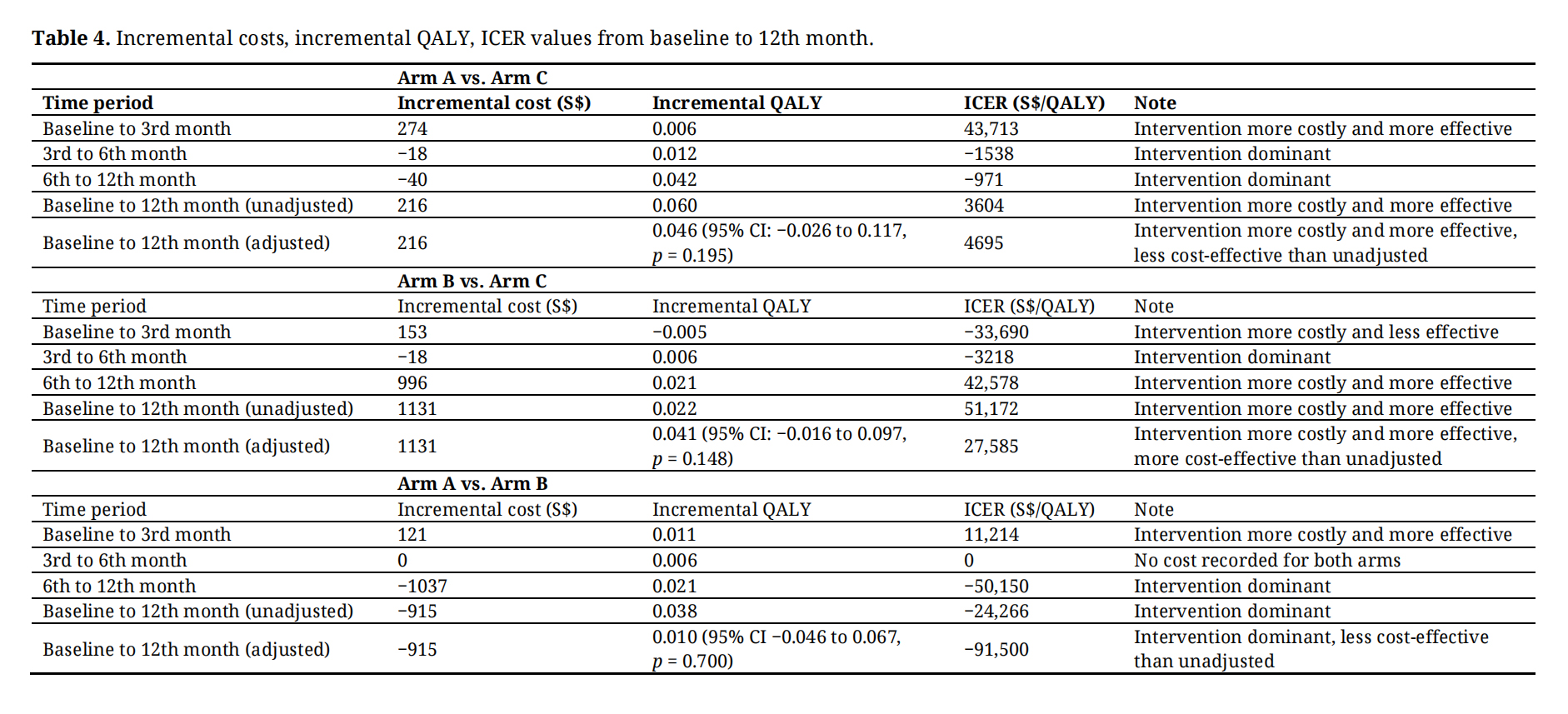 Table 4. Incremental costs, incremental QALY, ICER values from baseline to 12th month.
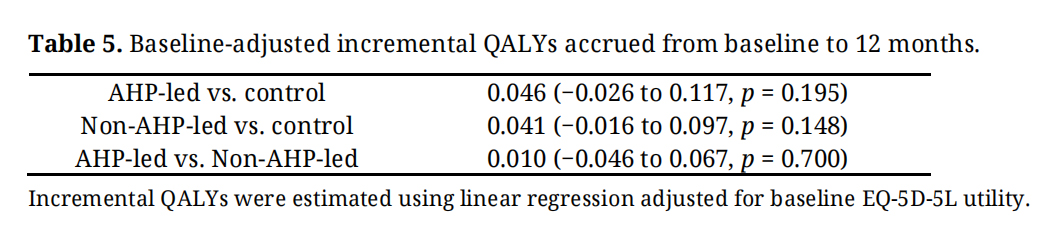 Table 5. Baseline-adjusted incremental QALYs accrued from baseline to 12 months.
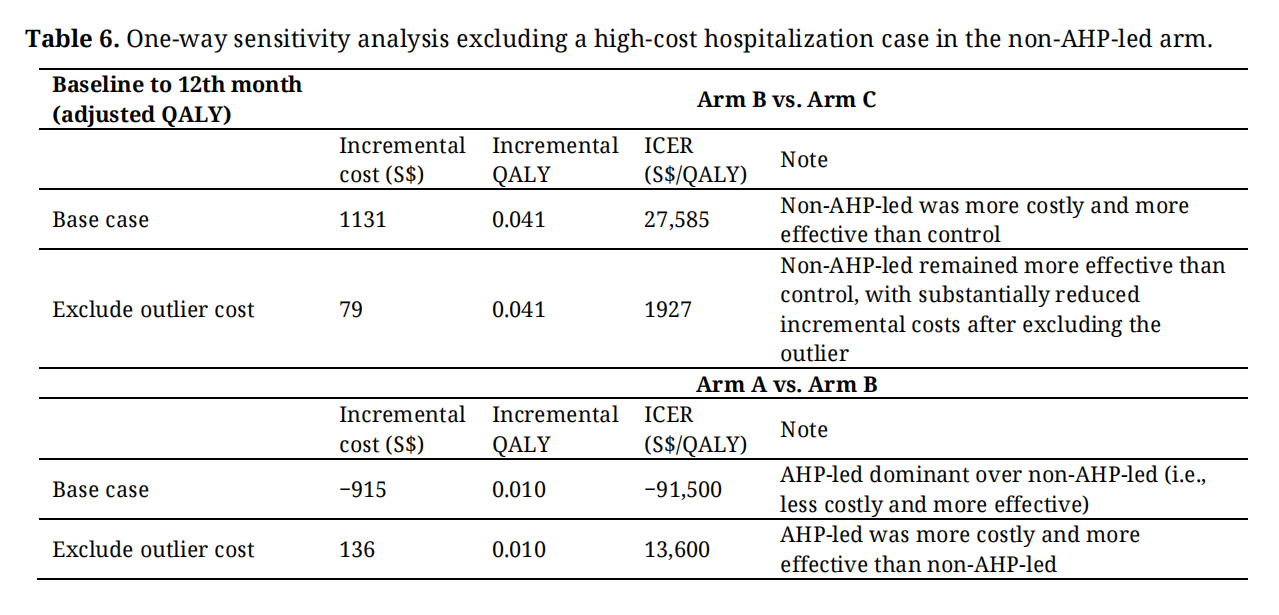 Table 6. One-way sensitivity analysis excluding a high-cost hospitalization case in the non-AHP-led arm.
Frailty-related healthcare utilisation stratified by CFS score is presented in Table 7. Multiple visits per participant were counted. Across all study arms, frailty-related healthcare utilisation occurred mainly during the 6th to 12th month, with no visits recorded between baseline and the 3rd month.
Over the 12-month period, the AHP-led group recorded five frailty-related healthcare visits, all occurring during the 6th to 12th month, and among participants with CFS 4. The non-AHP-led group recorded three visits during the 6th to 12th month, but exclusively among participants with CFS 5.
The control group experienced the highest level of frailty-related healthcare utilisation, with a total of 14 frailty-related visits over 12 months. Visits began as early as the 3rd to 6th month and increased substantially during the 6th to 12th month. Participants with CFS 4 and 5 contributed to healthcare utilisation, with consistently higher counts among participants with CFS 5.
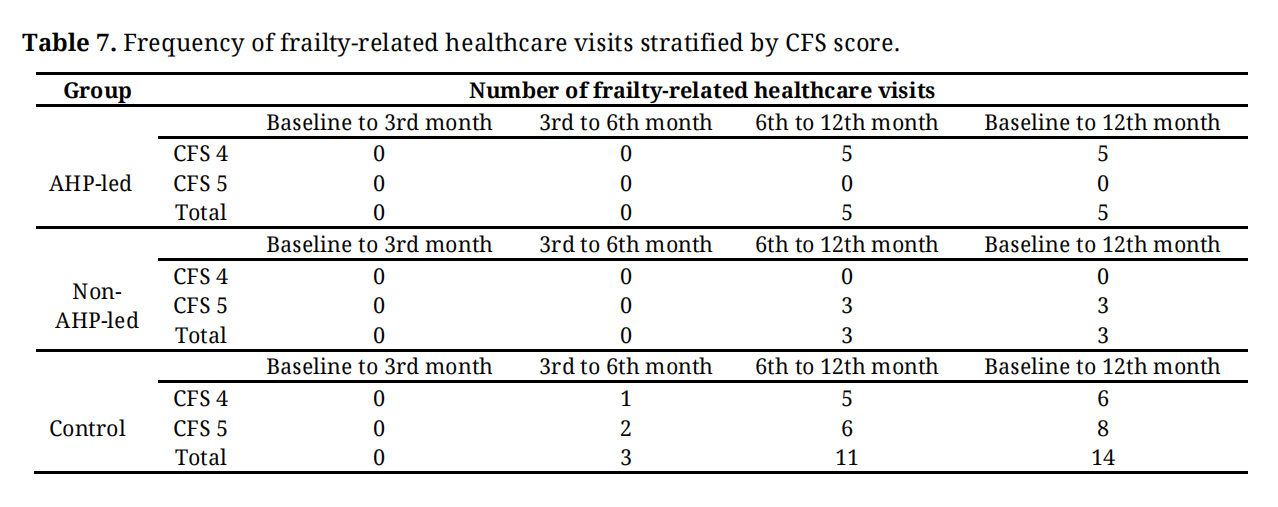 Table 7. Frequency of frailty-related healthcare visits stratified by CFS score.
This study evaluated the cost-effectiveness of the SNTF program delivered through two intervention arms, AHP-led and non-AHP-led, compared with usual care over 12 months. To our knowledge, this is the first study in Singapore to evaluate the cost-effectiveness of a community-based, multicomponent frailty management program across different delivery models (AHPs and non-AHPs).
Overall, both intervention arms resulted in greater QALYs than the control arm, though at a higher cost. Between the two models, the AHP-led arm was more cost-effective and dominated the non-AHP arm over 12 months. However, as the adjusted QALY differences were not statistically significant, the cost-effectiveness results should be interpreted with caution. Furthermore, sensitivity analyses excluding the participant with the highest hospitalisation cost in the non-AHP-led arm substantially altered the ICER estimates. This suggests that the findings were sensitive to extreme healthcare utilisation costs, which may reduce the stability and robustness of the economic evaluation.
Given the lack of statistically significant differences in adjusted QALYs, it is important to interpret these findings alongside the broader evidence base to better understand the potential mechanisms driving the observed outcomes. A substantial body of literature demonstrates that multicomponent, community-based frailty interventions can produce meaningful improvements in physical function, confidence, and health behaviours among older adults [37,38]. Supporting this, a systematic review [39] identified group-based exercise (Level 1a evidence) and multidisciplinary interventions combining physical activity with nutritional support (Level 1c evidence) as best practice for older adults aged 65 years and above. As the SNTF program incorporates these key components, the observed improvements in quality of life, frailty status, and cost outcomes are consistent with existing evidence and may help explain the sustained benefits observed beyond the intervention period.
Beyond program content, the mode of delivery may also explain these outcomes. The group-based format of SNTF, supported by competent facilitators, likely played a key role in sustaining engagement and driving behavioural change. Skilled facilitators guided safe and appropriate exercise, reinforced key health behaviours, and fostered a supportive environment that enabled participants to build confidence and adopt long-term habits. In addition, social validation and observational learning may have normalised age-related challenges and reduced perceived isolation [40]. Having participants taking turns to lead exercise sessions may have further fostered a sense of ownership, self-efficacy, and collective responsibility for continued engagement beyond the formal intervention period [41]. From a COM-B framework perspective, the program enhanced psychological and social capability (through facilitator-led skill acquisition and peer learning), social opportunity (through sustained group participation and existing Active Ageing Centre networks), and reflective motivation (through shared goal setting and social accountability) [42]. Together, these mechanisms may have contributed to the maintenance of physical activity and the persistence of modest health benefits observed at follow-up.
Differences between delivery models provide further insight into implementation considerations. In the base analysis, AHP-led groups were observed to be more cost-effective than non-AHP-led groups, suggesting that AHPs may be better positioned than non-AHPs to reinforce health education and support goal setting and adherence. These factors could have contributed to more sustained behavioural and functional improvements. This is consistent with evidence suggesting that exercise programs delivered by AHPs may achieve better physical outcomes than those led by non-health professionals [43,44]. However, there are currently no AHPs deployed full-time within Active Ageing Centres in Singapore. Given this workforce reality, a hybrid or supervisory model may be more feasible. For instance, AHPs could provide occasional input across selected sessions while non-AHPs continue to lead routine sessions. Structured mentorship for first-time non-AHP facilitators may also enhance program fidelity and effectiveness, potentially improving cost-effectiveness. Despite the comparatively lower cost-effectiveness observed in non-AHP-led groups, the involvement of non-AHP facilitators remains critical to the scalability of the SNTF program across Active Ageing Centres in Singapore. This is particularly relevant as the wider implementation of SNTF has already commenced (Trial ID: ACTRN12624000908538) [45], with plans to expand to approximately 30 centres, highlighting the importance of non-AHP delivery models for workforce sustainability and population-level implementation.
In terms of economic evaluation, the AHP-led intervention produced an adjusted ICER of S$4695 per QALY gained over 12 months compared to usual care. This means that each additional QALY gained across the AHP-led group costs an extra S$4695. This value falls well below the commonly cited willingness-to-pay threshold of approximately S$70,000 per QALY used in Singapore-based economic evaluations [29]. Although this benchmark was derived from a multifactorial falls prevention program rather than a frailty-specific intervention, it is used here as a contextual reference only, as Singapore does not have a formally adopted national willingness-to-pay threshold for frailty-related health interventions. Against this threshold, the AHP-led SNTF program may be considered cost-effective within the Singapore healthcare system. In comparison, the non-AHP-led intervention produced an adjusted ICER of S$27,585 per QALY gained over 12 months, which remains below the same threshold and suggests potential cost-effectiveness relative to usual care. The non-AHP-led intervention also demonstrated greater variability in cost-effectiveness across follow-up intervals, partly due to a single high-cost adverse event, resulting in a marked increase in mean costs. This highlights the sensitivity of ICER estimates to outliers in small samples as alluded to earlier. When comparing the two intervention arms, the AHP-led model dominated the non-AHP-led model (i.e., less costly and more effective) in the adjusted 12-month analysis, with an adjusted ICER value of −S$91,500 per QALY gained.
Finally, patterns of healthcare utilisation provide additional context for the observed cost outcomes. Frailty-related healthcare utilisation was higher and occurred earlier in the control group when compared with the intervention arms, although absolute numbers were small. This suggests that participation in a frailty management program like the SNTF program, regardless of delivery model, may be associated with delayed or reduced frailty-related healthcare use [32,46]. While exploratory, these findings point toward potential downstream cost offsets that may become more evident over longer follow-up periods. This interpretation is supported by evidence from longer-term evaluations of frailty interventions indicating that reductions in hospital admissions and long-term care utilisation can generate cost savings that may offset, or even exceed, initial intervention costs [47]. Together, these findings suggest that frailty interventions such as SNTF may not only translate into better functional independence and lower out-of-pocket costs for individuals but also alleviate pressure on healthcare resources, which supports healthcare system sustainability in the context of an aging population.
Implications for PracticeConsidering the findings from this economic evaluation, the SNTF program, particularly when delivered through an AHP-led model, has the potential to represent a cost-effective use of healthcare resources in Singapore, benefitting both individuals and the government in the long run. However, differences in cost-effectiveness between the AHP-led and non-AHP-led models should be interpreted with caution, as higher costs in the non-AHP-led group during the 6th to 12th month follow-up were largely driven by a single participant’s two-week hospitalisation following a fall. This suggests that the observed differences may reflect an isolated high-cost event rather than true differences between delivery models. Nonetheless, allied health workforce constraints mean that non-AHP-led delivery remains a pragmatic and necessary approach to facilitate wider implementation of the SNTF program, particularly when supported by structured training and clear escalation pathways. This is consistent with earlier findings from the SNTF c-RCT [17], which reported no significant differences across most outcome measures between both intervention arms, reinforcing the feasibility of both delivery models.
To mitigate potential limitations associated with non-AHP-led sessions, some refinements to facilitator training could be considered. Training duration could be reduced from three to two days with greater emphasis placed on practical skill development, including role-playing and group facilitation, to enhance facilitator competency and program fidelity. More on-the-job training with older adult participants supervised by the program master trainer (TX) will further support non-AHP facilitators in developing competency and confidence. Details on the SNTF program facilitator training are available on the relevant Singapore Institute of Technology website [48].
Strengths and LimitationsThis study represents a pilot-scale economic evaluation conducted within the second phase of a larger cluster-randomised controlled trial, and the findings should therefore be interpreted as preliminary. Nevertheless, several strengths enhance the relevance and credibility of the results. First, by evaluating the SNTF program within existing community settings rather than under tightly controlled trial conditions, the study provides insight into both health and economic outcomes under real-world practical constraints, including variability in data completeness. Next, the use of locally relevant cost data and the Singapore EQ-5D-5L value set enhances the contextual validity of the economic evaluation, ensuring that the findings are relevant to decision-making within Singapore’s healthcare system.
Several limitations should, however, be acknowledged. First, missing EQ-5D-5L data may have influenced QALY estimates; future studies could consider a multiple imputation method using relevant clinical and functional variables to address missing data. Second, cost data were incomplete for some participants, including one unaccounted hospitalisation in the control group, and certain healthcare costs had to be estimated due to insufficient detail. These factors may have affected incremental cost estimates and, consequently, ICER calculations. Third, baseline imbalances between the non-AHP-led and control groups were not adjusted because of the limited sample size. Fourth, healthcare utilisation data were collected via self-report and may therefore be subject to recall bias, which could have influenced the cost-effectiveness estimates. In addition, analyses were conducted at the individual level without adjustment for clustering, potentially leading to underestimation of standard errors. Furthermore, the study sample was predominantly female (96.7%) and Chinese (83.3%), recruited through convenience sampling, which limits the generalisability of findings to male older adults and other ethnic groups in Singapore. Finally, only participants who completed the study were included in the final analysis. Excluding participants who withdrew or were lost to follow-up may have resulted in an overestimation of the intervention’s effectiveness, as completers may have been more motivated, adherent, or healthier than non-completers.
Future Research and RecommendationsConsidering these limitations, future economic evaluations of the SNTF program should involve larger and more diverse samples, longer follow-up periods, and more comprehensive healthcare utilisation and cost data collection to reduce uncertainty in cost and outcome estimates. Future studies should also consider methods such as multiple imputation to address missing EQ-5D-5L and cost data, while analytical approaches that account for clustering effects would improve the accuracy of variance estimates. In addition, the use of non-parametric bootstrapping to generate confidence intervals and cost-effectiveness acceptability curves [49] would strengthen the interpretation of uncertainty surrounding ICER estimates and improve interpretability for policymakers, particularly if supported by an explicitly defined willingness-to-pay threshold for frailty interventions in Singapore. Finally, strategies to minimise attrition and improve participant retention should be considered to reduce potential bias arising from complete-case analyses.
In conclusion, this study provides preliminary evidence that the SNTF program is associated with modest improvements in health-related quality of life at increased cost over 12 months when compared to usual care, with the AHP-led group demonstrating greater cost-effectiveness than the non-AHP-led group. In the context of rapidly ageing societies such as Singapore, these results highlight the potential role of structured frailty management programs in supporting sustainable healthcare systems. It is worth noting that differences in cost-effectiveness between the two delivery models should be interpreted cautiously given the uncertainty surrounding the estimates. These findings should therefore be viewed as indicative rather than definitive, reinforcing the need for further research to establish the long-term cost-effectiveness of the SNTF program and its different delivery models in Singapore.
This study represents phase two of a three-arm cluster-randomized controlled trial (c-RCT) (Xu et al., 2024), registered at the Australian New Zealand Clinical Trials Registry (ACTRN12621001673831, https://www.anzctr.org.au/Trial/Registration/TrialReview.aspx?id=382093&isClinicalTrial=False). The study was approved by the Institutional Review Board of Singapore Institute of Technology (approval number: 2022006, 24 February 2022). Regarding the Informed Consent Statement, informed consent was obtained from all subjects involved in the study.
Declaration of Helsinki STROBE Reporting GuidelineThis study adhered to the Helsinki Declaration. The Strengthening the Reporting of Observational studies in Epidemiology (STROBE) reporting guideline was followed.
The dataset from the study is not available because of data sharing restrictions within Singapore Institute of Technology.
Conceptualization, TX; Methodology, TX; Formal Analysis, STXT, PJ, TX; Investigation, TX; Data Curation, TX; Writing—Original Draft Preparation, STXT; Writing—Review & Editing, STXT, PJ, MML, FT, RAT, XH, TX; Supervision, TX.
The authors declare that they have no conflicts of interest.
This study was partially funded by the Singapore Institute of Technology Ignition Grant (non-STEM) (1/2022 HSS 01).
The author would like to thank all program facilitators and participants who participated in this study. Appreciation is extended to staff and program facilitators from the following centres (Adventist Nursing & Rehabilitation Centre (Bukit Panjang), TOUCH@Sembawang, and Blossom Seeds) for their assistance with the recruitment and program implementation.
1.
2.
3.
4.
5.
6.
7.
8.
9.
10.
11.
12.
13.
14.
15.
16.
17.
18.
19.
20.
21.
22.
23.
24.
25.
26.
27.
28.
29.
30.
31.
32.
33.
34.
35.
36.
37.
38.
39.
40.
41.
42.
43.
44.
45.
46.
47.
48.
49.
Tan S, Jutasompakorn P, Liyakkathali M, Tan F, Teo R, Hong X, Xu T. Cost-Effectiveness of a Community-Based Frailty Intervention in Singapore: A Pilot Economic Evaluation of the Say No To Frailty Program. Adv Geriatr Med Res. 2026;8(3):e260022. https://doi.org/10.20900/agmr20260022.

Copyright © Hapres Co., Ltd. Privacy Policy | Terms and Conditions


