Location: Home >> Detail
Adv Geriatr Med Res. 2026;8(4):e260027. https://doi.org/10.20900/agmr20260027

Department of Psychosomatic Medicine, Tohoku University Graduate School of Medicine, Aoba-Ku, Sendai, Miyagi 980-8575, Japan
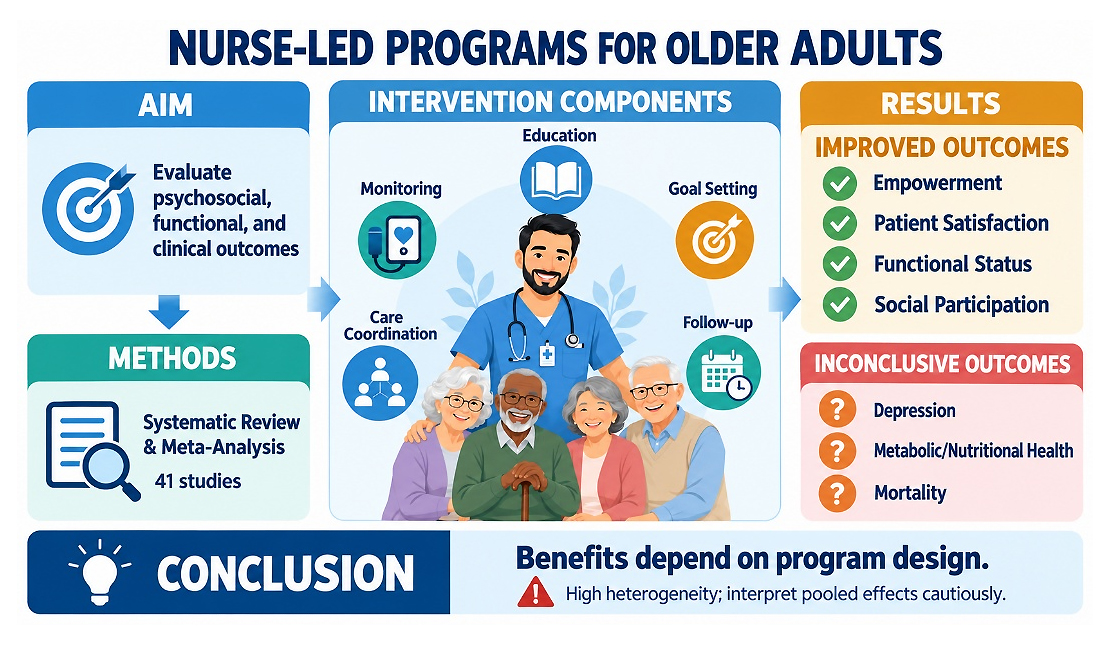
Nurse-led programs for older adults have gained increasing attention as a strategy to address the complex health care needs of ageing populations. This systematic review and meta-analysis evaluated their effects on quality of life, mental health, functional status, and clinical outcomes. Electronic databases were searched for randomized controlled trials and quasi-experimental studies comparing nurse-led programs with usual care or alternative interventions. Intervention purpose, core components, care setting, delivery mode, intensity, and follow-up were classified descriptively. Random-effects meta-analyses were conducted across 41 studies. Nurse-led programs improved several psychosocial, functional, and selected clinical outcomes, including empowerment, social support and role participation, patient satisfaction, compliance and motivation, cardiovascular disease risk, frailty, and metabolic syndrome and glycaemic control. Effects on depression and mental health, metabolic and nutritional health, and mortality were not statistically significant. Substantial heterogeneity was present in most outcome domains and reflected marked variation in program content, care setting, participant characteristics, outcome measurement, and follow-up. Nurse-led designation alone should therefore not be interpreted as a uniform intervention or as an explanation for effectiveness. Programs incorporating clearly defined components, structured monitoring, education, care coordination, and sustained follow-up appear particularly relevant to geriatric practice; however, further research is necessary to determine the effects of individual components.
The global demographic landscape is undergoing a profound transformation, characterized by a rapid and sustained increase in the proportion of older adults. This phenomenon, often termed population ageing, is driven by declining fertility rates and significant advances in healthcare that have extended life expectancy [1]. Consequently, healthcare systems worldwide are facing unprecedented challenges in managing the complex, multifaceted needs of an ageing population. Older adults frequently present with multimorbidity, polypharmacy, and a high prevalence of chronic conditions such as cardiovascular disease, diabetes, and dementia [2]. These conditions are often compounded by social isolation, functional decline, and cognitive impairment, creating a care landscape that is both resource intensive and highly specialized. Traditional, physician-centric models of care are being increasingly recognized as insufficient to meet these demands, leading to a search for more sustainable, holistic, and patient-centred approaches.
In response to these pressures, nurse-led programs have emerged as a prominent and promising model of care delivery for the elderly. These programs, which place registered nurses in central roles as care coordinators, educators, and direct care providers, are designed to manage chronic conditions, promote healthy ageing, and prevent hospital readmissions [3]. The scope of these interventions is remarkably broad, encompassing home-based care, transitional care management, chronic disease self-management education, and comprehensive geriatric assessment. The underlying rationale is that nurses, with their unique blend of clinical expertise and patient-centred communication skills, are ideally positioned to provide continuous, coordinated, and compassionate care that addresses the biopsychosocial needs of older adults [4]. This model has been implemented in various settings, from primary care clinics to long-term care facilities, and has been the subject of numerous empirical investigations.
Despite the widespread adoption and intuitive appeal of nurse-led programs, a comprehensive and quantitative synthesis of their overall effectiveness across a broad spectrum of health outcomes remains lacking in the literature, representing a critical gap. While individual studies have reported positive effects on specific outcomes such as quality of life, functional status, and patient satisfaction, the evidence is fragmented and often contradictory [5]. For instance, some trials have demonstrated significant improvements in depression and mental health, while others have found no such effect [6]. Similarly, the impact on hard clinical endpoints such as mortality and cardiovascular events is less clear. This heterogeneity in findings may be attributable to differences in program design, target populations, outcome measures, and study quality. A systematic review and meta-analysis is therefore essential for aggregating the available evidence, quantifying the magnitude of treatment effects, and identifying sources of variability.
The primary motivation for this research is to provide a definitive, evidence-based answer to the following question: Are nurse-led programs effective for the elderly? By synthesizing data from a large number of randomized controlled trials and quasiexperimental studies, we aim to move beyond narrative summaries and provide robust, pooled effect size estimates. This work is significant because it can inform clinical practice, healthcare policy, and future research directions. For clinicians and healthcare administrators, our findings offer clear guidance on which outcomes are most likely to be improved by nurse-led interventions, thereby supporting resource allocation and program design. For policymakers, the evidence provided here can justify the expansion and funding of such programs as a core component of geriatric care. For researchers, this meta-analysis highlights areas of robust evidence and, more importantly, identifies critical knowledge gaps that require further investigation, such as the long-term sustainability of effects and the optimal components of effective programs.
This systematic review and meta-analysis was conducted in accordance with the Preferred Reporting Items for Systematic Reviews and Meta-Analyses (PRISMA) guidelines [7].
A comprehensive literature search was performed across four major electronic databases to identify relevant studies evaluating nurse-led programs for the elderly. PubMed was selected as the primary database because of its extensive coverage of the biomedical and nursing literature, thus providing access to high-quality peer-reviewed journals in geriatric medicine and nursing science. The search strategy for PubMed involved the use of a combination of Medical Subject Headings (MeSH) terms and title/abstract keywords, including (“Nurse Practitioners”[MeSH] OR “nurse-led”[TIAB] OR “nursing-led”[TIAB] OR “advanced practice nurse”[TIAB] OR APN[TIAB]) AND (“Aged”[MeSH] OR elderly[TIAB] OR “older adults”[TIAB] OR geriatric[TIAB] OR seniors[TIAB]) AND (programs[MeSH] OR program*[TIAB] OR intervention*[TIAB] OR initiative*[TIAB]) NOT (“Systematic Review”[Publication Type] OR “Meta-Analysis”[Publication Type] OR review[PT]), with a publication date filter applied from January 1, 2000, to the present. Scopus was chosen as the second database because of its broad interdisciplinary scope, encompassing nursing, health sciences, and social sciences literature that may not be fully indexed in PubMed. The Scopus search string was TITLE-ABS-KEY ((“nurse-led” OR “nursing-led” OR “advanced practice nurse” OR APN) AND (elderly OR “older adults” OR geriatric OR seniors OR aged) AND (program* OR intervention* OR initiative*)) AND NOT TITLE-ABS-KEY (“systematic review” OR “meta-analysis” OR review), with filters for publication year ≥ 2000 and document type limited to articles. Web of Science was included as the third database to capture high-impact research from a multidisciplinary perspective, particularly studies published in leading gerontology and nursing journals. The Web of Science search query was TS = ((“nurse-led” OR “nursing-led” OR “advanced practice nurse” OR APN) AND (elderly OR “older adults” OR geriatric OR seniors OR aged) AND (program* OR intervention* OR initiative*)) NOT TS = (“systematic review” OR “meta-analysis” OR review), which was further refined by restricting publication years to 2000–2025 and document type to articles. CINAHL (Cumulative Index to Nursing and Allied Health Literature) was selected as the fourth database because of its specialized focus on nursing and allied health research, ensuring comprehensive coverage of nurse-led intervention studies. The CINAHL search query was (MH “Nurse Practitioners” OR TI “nurse-led” OR AB “nurse-led” OR TI “nursing-led” OR AB “nursing-led” OR TI “advanced practice nurse” OR AB “advanced practice nurse”) AND (MH “Aged” OR TI elderly OR AB elderly OR TI “older adults” OR AB “older adults” OR TI geriatric OR AB geriatric) AND (TI program* OR AB program* OR TI intervention* OR AB intervention*) NOT (MH “Systematic Reviews” OR MH “Meta Analysis”), with the publication year limited to 2000 to the present and the methodology excluding literature reviews. Finally, Google Scholar was searched as a supplementary source to identify grey literature and studies from nonindexed journals using the query “nurse-led” OR “nurse led” OR “nursing-led” OR “advanced practice nurse” OR APN AND (elderly OR older adults OR geriatric OR seniors OR “aged”) AND (program* OR intervention* OR initiative* OR model*) –“systematic review”–“meta-analysis”–review-survey, with the publication date range set from 2000 to the present. The search was conducted in January 2025, and all retrieved records were exported to reference management software for deduplication and screening.
Inclusion and Exclusion CriteriaTo ensure the relevance and consistency of the selected studies, we defined clear inclusion and exclusion criteria and applied them systematically throughout the screening process. Studies were considered eligible for inclusion if they met the following criteria: (a) the study population consisted of adults aged 60 years or older or studies explicitly describing participants as elderly, older adults, geriatric, or seniors; (b) the intervention was a nurse-led program, defined as any healthcare intervention where registered nurses, advanced practice nurses, or nurse practitioners served as the primary providers, coordinators, or managers of care, including but not limited to home-based care, transitional care, chronic disease management, health education, and comprehensive geriatric assessment; (c) the study design was a randomized controlled trial (RCT) or a quasiexperimental study with a comparison group receiving usual care, standard treatment, or an alternative intervention; (d) the study reported at least one quantitative outcome measure related to quality of life, mental health, functional status, clinical indicators, patient satisfaction, or other health-related endpoints; (e) the publication was a peer-reviewed article written in English; and (f) the study was published between January 1, 2000, and December 31, 2025. The exclusion criteria were as follows: (a) studies where the intervention was not primarily led by nurses, such as physician-led, multidisciplinary team-led without a central nursing role, or self-directed programs; (b) studies focusing exclusively on acute care settings without a follow-up or transitional component, such as emergency department interventions without postdischarge follow-up; (c) studies that did not provide sufficient quantitative data for effect size calculation, such as qualitative studies, case reports, or studies reporting only narrative outcomes; (d) systematic reviews, meta-analyses, conference abstracts, editorials, commentaries, dissertations, and book chapters; (e) studies with a sample size of fewer than 20 participants per group to ensure statistical power; and (f) studies where the primary outcome was not relevant to the elderly population, such as interventions focused solely on paediatric or adult populations. These criteria were designed to balance comprehensiveness with methodological rigor, ensuring that the included studies were of sufficient quality and relevance to address our research question.
Data Extraction and Intervention ClassificationA standardized extraction form was used to record study design, sample size, participant age and clinical condition, care setting, nurse qualification and role, intervention purpose, core components, delivery mode, contact intensity and duration, comparator, follow-up period, outcome definitions, and numerical data required for effect-size calculations. Interventions were classified descriptively into five overlapping groups: chronic disease and cardiovascular management; diabetes, renal, and treatment-adherence support; frailty, falls, and healthy-ageing programs; transitional, rehabilitation, and home-exercise care; and psychosocial, cognitive, and caregiver support. Delivery was additionally coded as clinic-based, community- or group-based, home-based, transitional, telephone-based, digital, or hybrid. Because many programs incorporated multiple components and few studies were available within each outcome-by-component stratum, these classifications were used to support clinical interpretation rather than to estimate the causal effects of individual components.
Study Selection and Risk-of-Bias AssessmentTitles, abstracts and full-text reports were assessed against the predefined eligibility criteria. Risk of bias in randomized controlled trials was evaluated using the Cochrane Risk of Bias tool [8], and quasi-experimental studies were assessed using ROBINS-I [9]. Studies were not excluded solely on the basis of risk-of-bias judgements. Effect sizes were calculated using Hedges’ g correction [10]. The complete selection process is presented in Figure 1.
The search identified 330 records. Fourteen records were removed before screening because they were non-English publications or clearly not original research, leaving 316 records for title and abstract screening. Of these, 189 were excluded, and 127 reports were sought for retrieval. 54 reports could not be retrieved; therefore, 73 full-text reports were assessed for eligibility. At the full-text review stage, 32 reports were excluded for having insufficient quantitative data (n = 12), containing an intervention that was not primarily nurse-led (n = 8), utilizing an ineligible study design (n = 6), or including an irrelevant population (n = 6). Forty-one studies were included in the systematic review and meta-analysis. Figure 1 displays these counts and the specific full-text exclusion reasons.
Several limitations and potential biases in study selection warrant consideration. Restriction to studies published in English may have introduced language bias. The 54 reports that could not be retrieved may also have differed systematically from accessible studies. Restriction to published articles may have contributed to publication bias, although Google Scholar was used as a supplementary source for nonindexed studies. In addition, screening, extraction, and quality assessment were conducted by a single author and were therefore susceptible to reviewer error or subjective judgement. Finally, the marked clinical diversity of the included interventions, populations, outcomes, and follow-up periods limited direct comparability and required cautious, outcome-specific interpretation.
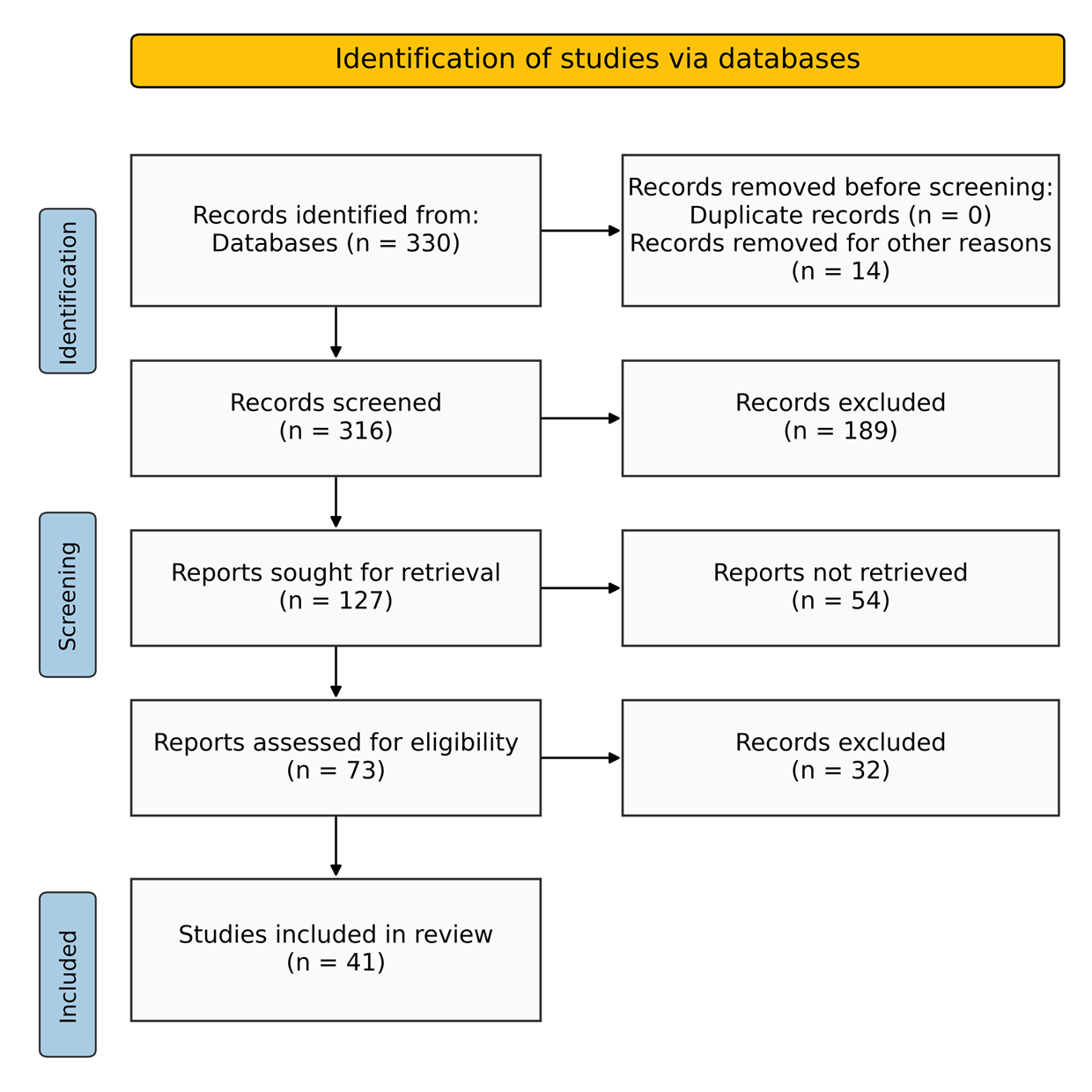 Figure 1. PRISMA 2020 flow diagram of study selection, including the reasons for full-text exclusion.
The 41 included studies represented clinically diverse nurse-led models rather than a single standardized intervention. Core components included assessment and monitoring, structured health education, collaborative goal setting, self-management coaching, exercise or falls-prevention activities, care coordination, and scheduled follow-up. Delivery ranged from clinic- or community-based face-to-face contact to home visits, telephone follow-up, and app- or web-supported hybrid care. Program intensity and follow-up duration also varied. Because categories overlapped and reporting of intervention dose and fidelity was inconsistent, the review did not assume that all programs were directly comparable or that the nurse-led designation alone explained the observed outcomes.
Table 1 provides a concise summary of the intervention groups, typical components, populations and settings, delivery approaches, and principal outcome domains.
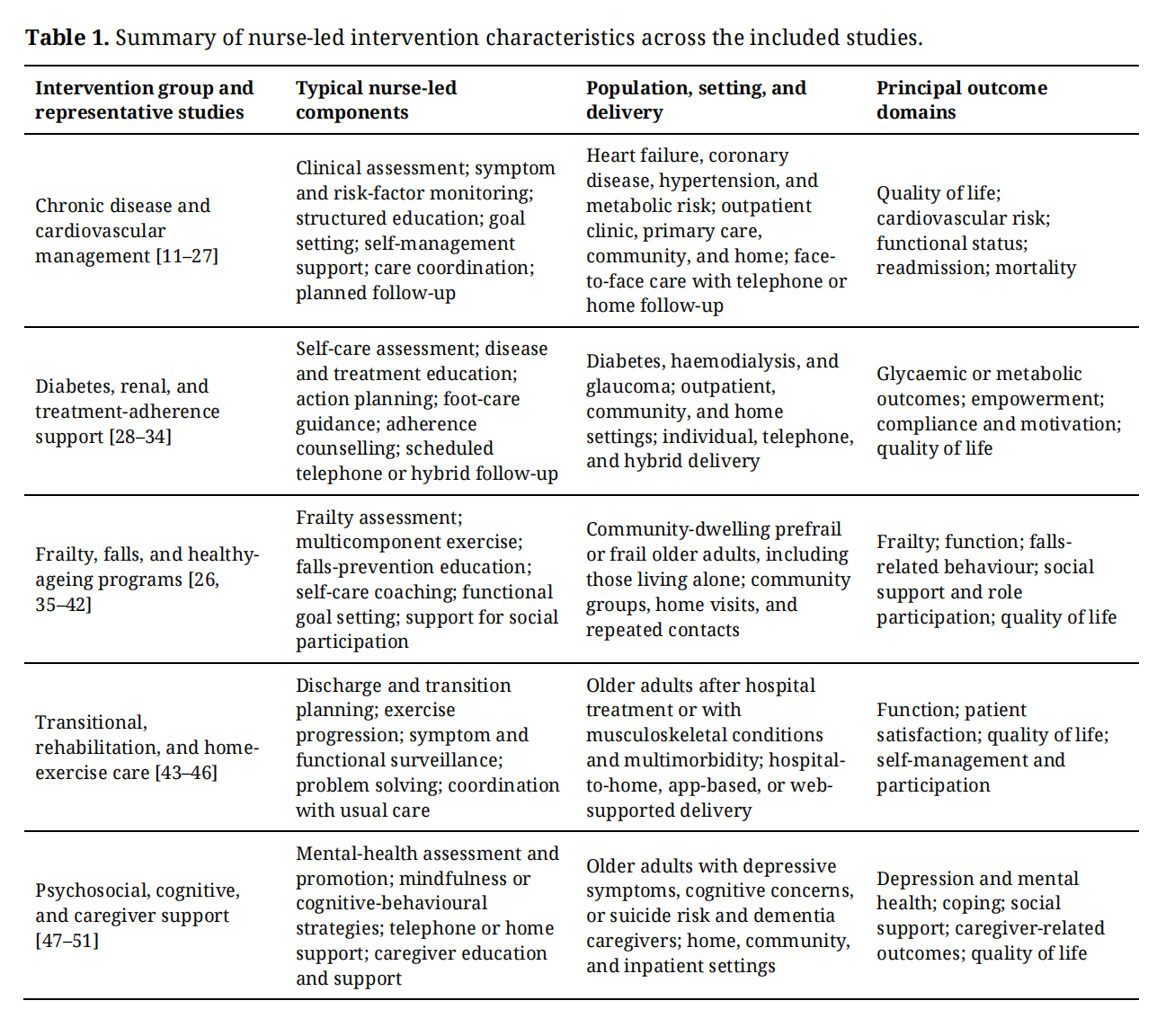 Table 1. Summary of nurse-led intervention characteristics across the included studies.
Outcomes were grouped into 13 domains. Continuous outcomes were synthesized using the standardized mean difference with Hedges’ g correction; binary quality-of-life or health-status outcomes and metabolic-syndrome or glycaemic-control outcomes were synthesized using odds ratios; mortality was summarized using the risk difference; and compliance and motivation were summarized using correlation coefficients. Random-effects models were used because clinical and statistical heterogeneity was expected across programs.
Heterogeneity AssessmentStatistical heterogeneity was assessed using Cochran’s Q and I2 [52]. As shown in Table 2, substantial heterogeneity was present in 12 of the 13 outcome domains (I2 = 75.55%–98.27%); frailty showed moderate heterogeneity (I2 = 49.50%). Several clinically plausible sources contributed to this variation: programs ranged from education-only or exercise-focused approaches to multicomponent transitional care and chronic disease management; settings included inpatient, outpatient, community, and home care; participants differed in frailty, multimorbidity, baseline symptom severity, cognitive status, and social support; outcome constructs were measured with different instruments and scoring directions; and intervention intensity, follow-up duration, comparator care, study design, and risk of bias varied. In addition, several pooled estimates were dominated by very large observational cohorts, whereas other outcomes were informed by only a few small studies. A random-effects model estimates an average across this diversity but does not explain it. Component-level subgroup analyses or meta-regression were not performed because the intervention categories overlapped and too few studies were available within most outcome-by-component strata. The pooled estimates should therefore be interpreted as exploratory average effects alongside the individual study estimates and confidence intervals.
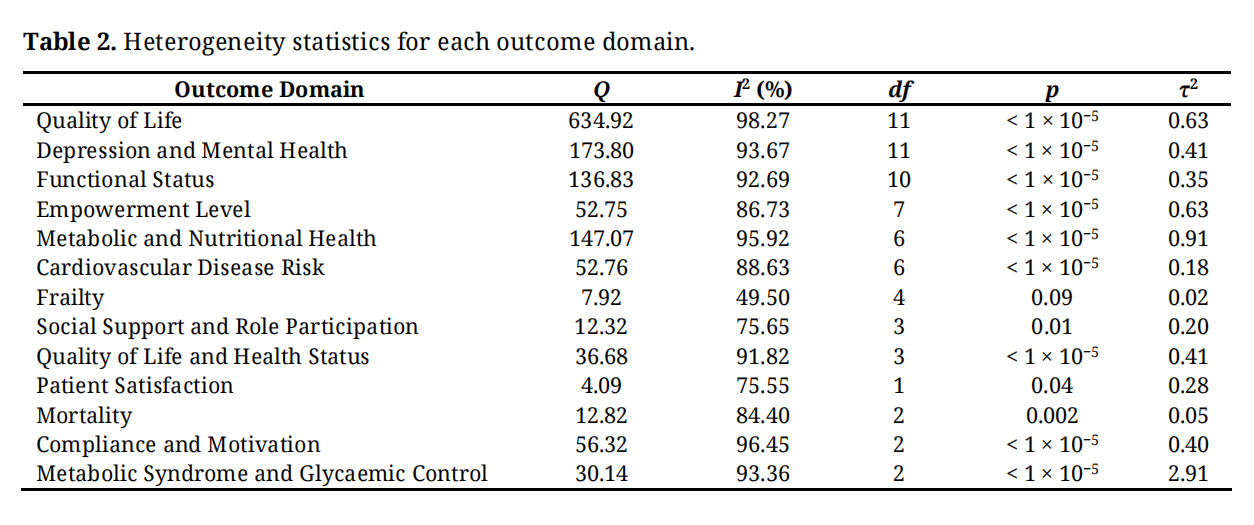 Table 2. Heterogeneity statistics for each outcome domain.
We conducted a random-effects meta-analysis for each of the 13 outcome domains to estimate the pooled effect of nurse-led programs for the elderly. The results are presented in the following subsubsections, each detailing the effect size, confidence interval, statistical significance, and interpretation for a specific outcome. We employed the DerSimonian and Laird method to estimate the between-study variance (τ2) and used the inverse-variance weighting approach to compute the overall effect size. Forest plots were generated for each outcome to visually display the individual study effects and the pooled estimate. The following subsubsections provide a comprehensive account of these analyses.
Quality of LifeThe meta-analysis of quality of life included 12 studies that reported sufficient data for effect size calculation. The pooled effect size was 0.01 (95% CI: 0.01 to 0.02, z = 4.00, p = 0.000064), indicating a statistically significant but very small improvement in quality of life among elderly participants who received nurse-led programs compared with those who received the usual care. This result was heavily influenced by the study by Liljeroos and Strömberg (2019) [17], which contributed to an overwhelming weight of more than 140,000 because of its extremely large sample size of more than 560,000 participants. In this study, the effect size was 0.01, with a negligible standard error, effectively pulling the pooled estimate towards zero. When examining the individual study effects, we observed considerable variability. For instance, D’Souza et al. (2018) [28] reported a large positive effect of 4.44 (95% CI: 3.94 to 4.94), and Feng et al. (2025) [11] and Arjunan and Trichur (2021) [16] also reported substantial improvements, with effect sizes of 1.68 and 1.60, respectively. Conversely, Maru et al. (2018) [12] and Van Den Wijngaart et al. (2015) [18] reported negative effects of −0.07 and −0.50, respectively, suggesting that nurse-led programs may not universally improve quality of life across all contexts. The high heterogeneity observed (I2 = 98.27%) underscores the need for cautious interpretation, as the pooled estimate may not be representative of the true effect in all settings. The forest plot in Figure 2 illustrates the distribution of individual study effects and the overall pooled estimate.
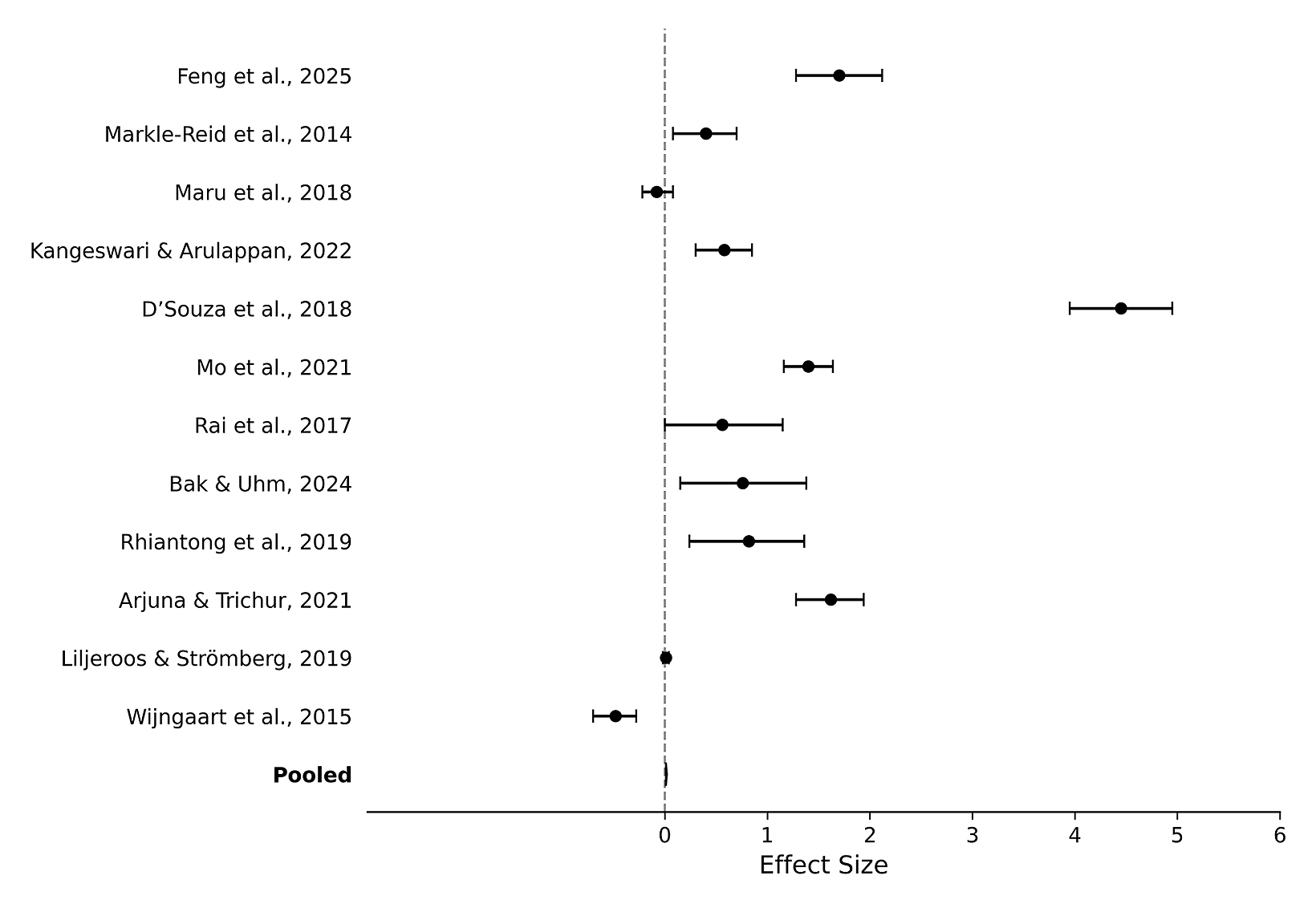 Figure 2. Forest plot for quality of life.
The meta-analysis for depression and mental health included 12 studies that provided sufficient data to calculate the effect sizes. The pooled effect size was −0.04 (95% CI: −0.13 to 0.05, z = −0.88, p = 0.379), indicating that there was no statistically significant difference between nurse-led programs and the usual care in improving depression and mental health outcomes among elderly participants. This null finding suggests that, on average, nurse-led interventions did not produce a meaningful reduction in depressive symptoms or enhancement of mental well-being across the included studies.
We observed considerable variability in the direction and magnitude of individual study effects. Several studies reported moderate to large positive effects favouring nurse-led programs, indicating reduced depression scores. For example, Feng et al. (2025) [11] reported a substantial effect of −1.34 (95% CI: −1.73 to −0.95), and Li et al. (2024) [48] and Oba et al. (2020) [30] also reported significant improvements, with effect sizes of −0.68 and −0.76, respectively. Similarly, Song and Boo (2022) [35] and Inokuchi et al. (2007) [36] reported moderate effects of −0.54 each. In contrast, other studies reported no benefit or even a detrimental effect. Mo et al. (2021) [13] reported a large positive effect of 0.96 (95% CI: 0.72 to 1.20), indicating higher depression scores in the intervention group, and Changsieng et al. (2023) [29] and Mao et al. (2022) [49] also reported positive effects of 0.67 and 0.48, respectively. Wong and Wong (2020) [37] and Markle-Reid et al. (2021) [45] reported near-zero effects of 0.09 and 0.08, respectively, and Markle-Reid et al. (2014) [47] reported a nonsignificant negative trend of −0.30. The high heterogeneity observed (I2 = 93.67%) further complicates interpretation, as the pooled null effect masks substantial differences across studies. As shown in Figure 3, the forest plot illustrates the wide dispersion of individual study effects around the null pooled estimate.
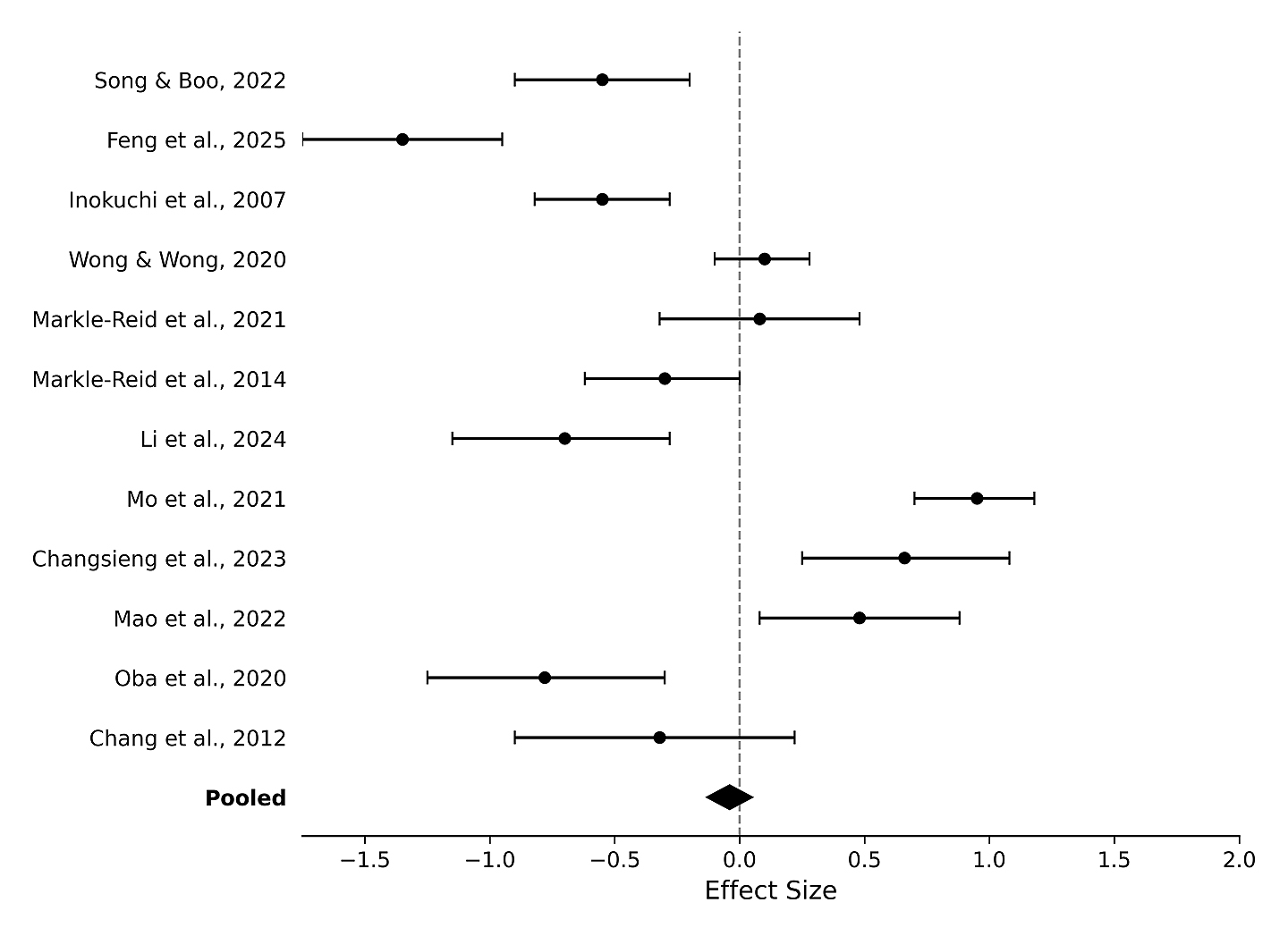 Figure 3. Forest plot for depression and mental health.
The meta-analysis for functional status included 11 studies that provided sufficient data for effect size calculation. The pooled effect size was −0.17 (95% CI: −0.26 to −0.08, z = −3.55, p = 0.000391), indicating a statistically significant but modest improvement in functional status among elderly participants who received nurse-led programs compared with those who received the usual care. This negative effect size, where lower scores typically indicate better functional ability on most instruments, suggests that nurse-led interventions were associated with a small but meaningful reduction in functional decline or improvement in physical function.
We observed considerable variability in the direction and magnitude of individual study effects. Several studies reported moderate to large positive effects favouring nurse-led programs, indicating improvements in functional status. For example, Inokuchi et al. (2007) [36] reported a substantial effect of −0.54 (95% CI: −0.80 to −0.28), while Kang et al. (2025) [38] reported a moderate effect of −0.50 (95% CI: −0.80 to −0.21). Song and Boo (2022) [35] and Markle-Reid et al. (2021) [45] also reported trends favouring the intervention, with effect sizes of −0.31 and −0.36, respectively, although these did not reach statistical significance. Ma et al. (2023) [50] reported a small, nonsignificant effect of −0.29 (95% CI: −0.81 to 0.23). In contrast, other studies reported no benefit or even a detrimental effect. Rhiantong et al. (2018) [15] reported a large negative effect of −1.02 (95% CI: −1.30 to −0.75), indicating substantial improvement in functional status, while Feng et al. (2025) [11] and Bak and Uhm (2024) [44] reported large positive effects of 0.78 and 1.26, respectively, suggesting worse functional outcomes in the intervention group. Zhao et al. (2025) [39] also reported a large positive effect of 1.13 (95% CI: 0.66 to 1.60), indicating poorer functional status in the intervention group. Maru et al. (2018) [12] reported a near-zero effect of −0.06 (95% CI: −0.22 to 0.10), while Chang et al. (2012) [19] reported a moderate positive effect of 0.68 (95% CI: 0.11 to 1.24). The high heterogeneity observed (I2 = 92.69%) underscores the need for cautious interpretation, as the pooled estimate may not be representative of the true effect in all settings. The forest plot in Figure 4 illustrates the distribution of individual study effects and the overall pooled estimate.
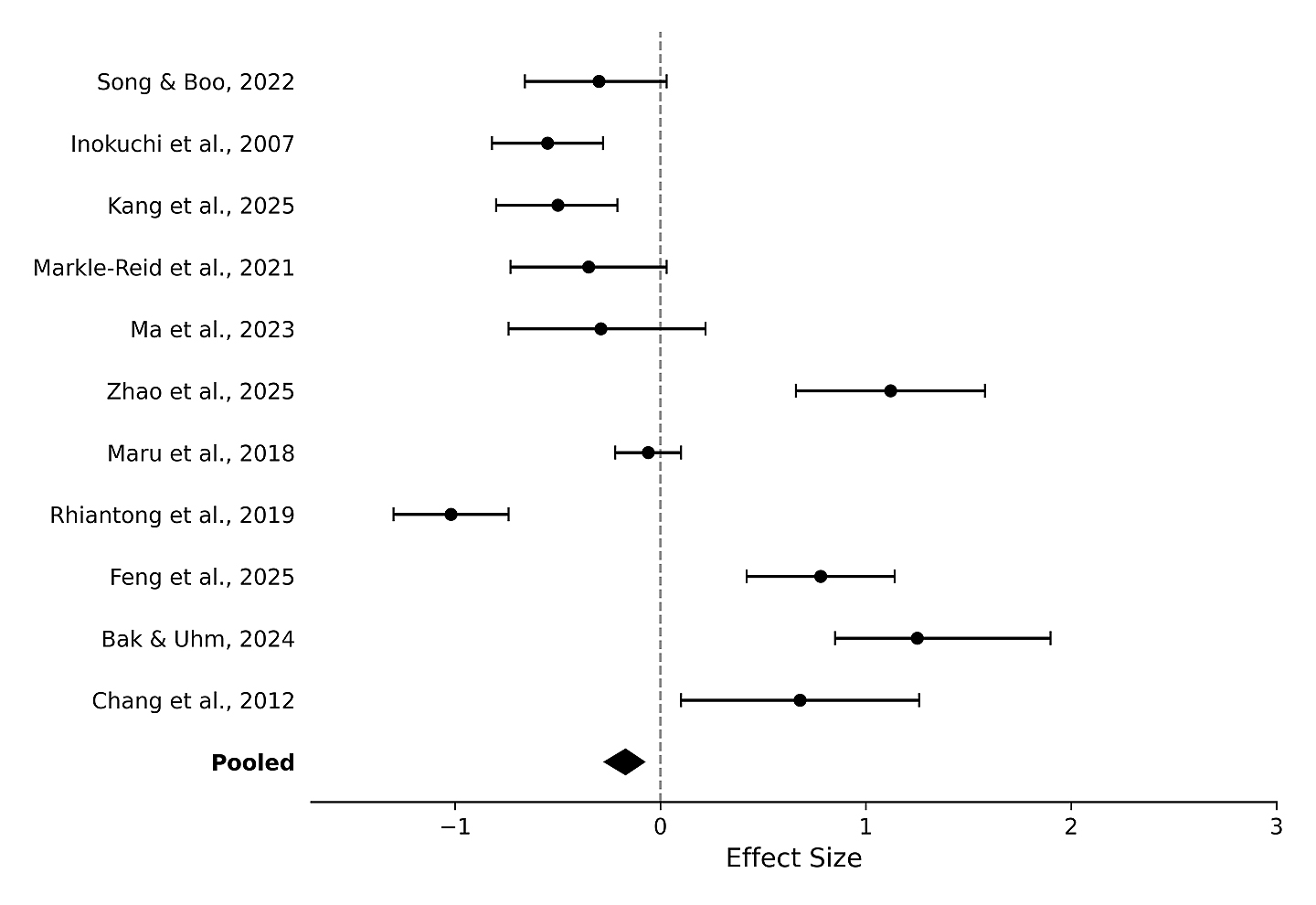 Figure 4. Forest plot for functional status.
The meta-analysis for empowerment level included eight studies that provided sufficient data for effect size calculation. The pooled effect size was 1.23 (95% CI: 1.01 to 1.44, z = 11.25, p < 0.000001), indicating a large and statistically significant improvement in empowerment among elderly participants receiving nurse-led programs compared with those receiving usual care. This finding suggests that nurse-led interventions are highly effective at enhancing patients’ sense of control, self-efficacy, and ability to manage their own health conditions.
We observed considerable variability in the magnitude of individual study effects, although all the studies favoured the intervention. The largest effect was reported by Arad et al. (2021) [31], who found a substantial effect of 4.02 (95% CI: 3.18 to 4.86), indicating a very large improvement in empowerment among haemodialysis patients receiving a nurse-led education program with telephone follow-up. Lee et al. (2026) [40] also reported a large effect of 1.66 (95% CI: 0.94 to 2.38) in a community-based frailty prevention program for prefrail older adults. Cheepat et al. (2017) [41] reported an effect of 1.30 (95% CI: 0.75 to 1.85) for a fall prevention program, while Noroozi et al. (2024) [32] reported an effect of 1.12 (95% CI: 0.62 to 1.63) for a program based on King’s theory of goal attainment in patients with type 2 diabetes. Premkumar et al. (2022) [21] reported an effect of 1.05 (95% CI: 0.51 to 1.58) for a cardiac rehabilitation program, and Chang et al. (2012) [19] reported an effect of 0.81 (95% CI: 0.24 to 1.38) for a hypertension management program. The smallest effects were observed by Polat et al. (2026) [33], of 0.64 (95% CI: 0.06 to 1.23) for a diabetic foot self-management education program, and by Skolasky et al. (2024) [46], of 0.66 (95% CI: −0.09 to 1.41), which was the only study in which the effect did not reach statistical significance. The high heterogeneity observed (I2 = 86.73%) suggests that while the overall effect is robust, the magnitude may vary depending on the specific program components and target population. The forest plot in Figure 5 illustrates the distribution of individual study effects and the overall pooled estimate.
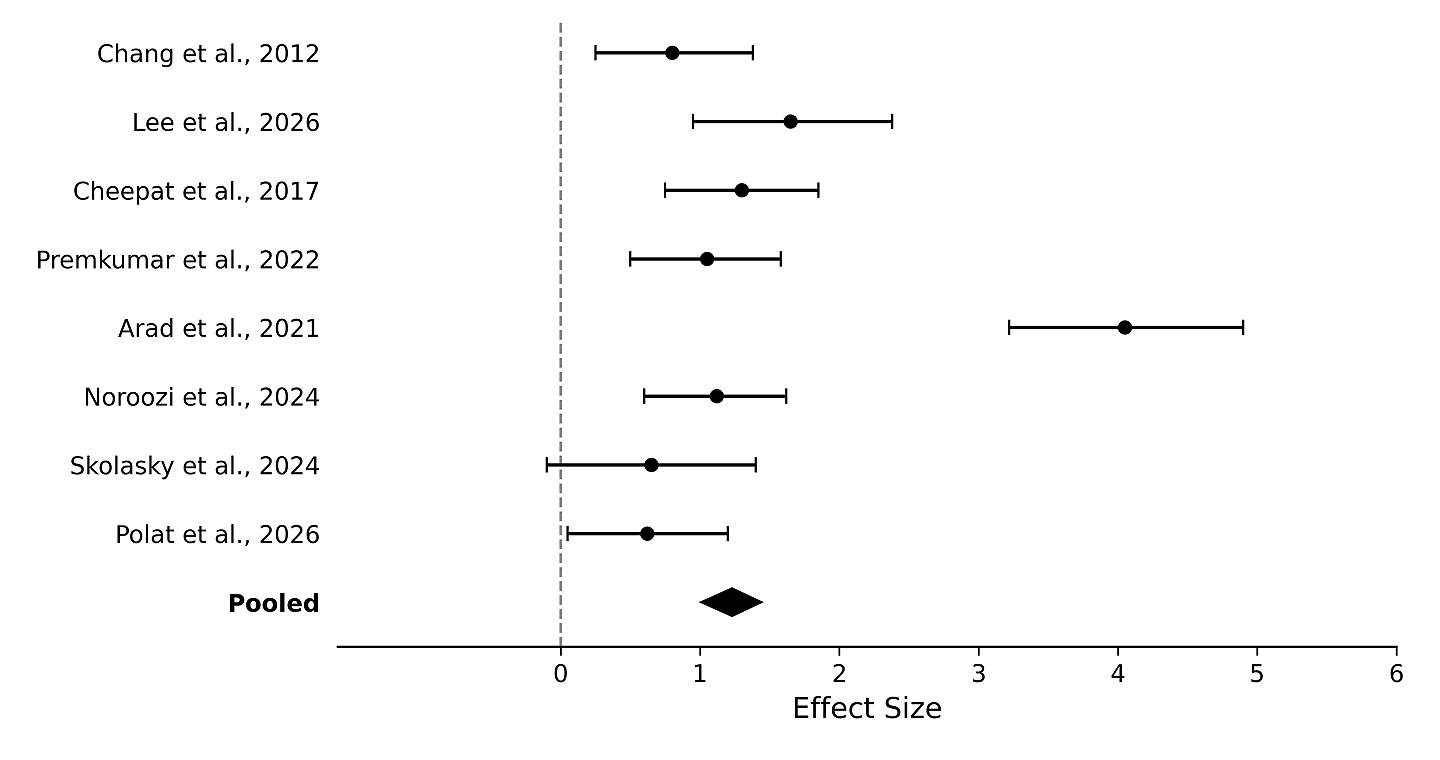 Figure 5. Forest plot for empowerment level.
The meta-analysis for metabolic and nutritional health included seven studies that provided sufficient data for effect size calculation. The pooled effect size was 0.07 (95% CI: −0.07 to 0.21, z = 0.96, p = 0.336), indicating that there was no statistically significant difference between nurse-led programs and the usual care in improving metabolic and nutritional health outcomes among elderly participants. This null finding suggests that, on average, nurse-led interventions did not produce meaningful improvements in biomarkers such as body mass index, cholesterol levels, or nutritional status across the included studies.
We observed considerable variability in the direction and magnitude of individual study effects. Several studies reported moderate to large positive effects favouring nurse-led programs, indicating improvements in metabolic and nutritional parameters. For example, Arad et al. (2021) [31] reported a substantial effect of −2.26 (95% CI: −2.88 to −1.65), indicating a large reduction in metabolic risk factors among haemodialysis patients. Chang et al. (2012) [19] reported a moderate effect of −0.66 (95% CI: −1.23 to −0.10), which favoured the intervention. Feng et al. (2025) [11] reported a moderate effect of −0.51 (95% CI: −0.87 to −0.15), while Kang et al. (2025) [38] reported a small effect of −0.37 (95% CI: −0.67 to −0.08). In contrast, other studies reported no benefit or even a detrimental effect. Arjunan and Trichur (2021) [16] reported a large negative effect of 1.21 (95% CI: 0.90 to 1.51), indicating worse metabolic outcomes in the intervention group. Ritngam et al. (2024) [23] and Miao et al. (2020) [22] showed positive effects of 0.94 and 0.36, respectively, suggesting poorer outcomes in the intervention group. The high heterogeneity observed (I2 = 95.92%) underscores the need for cautious interpretation, as the pooled null effect masks substantial differences across studies. As shown in Figure 6, the forest plot illustrates the wide dispersion of individual study effects around the null pooled estimate.
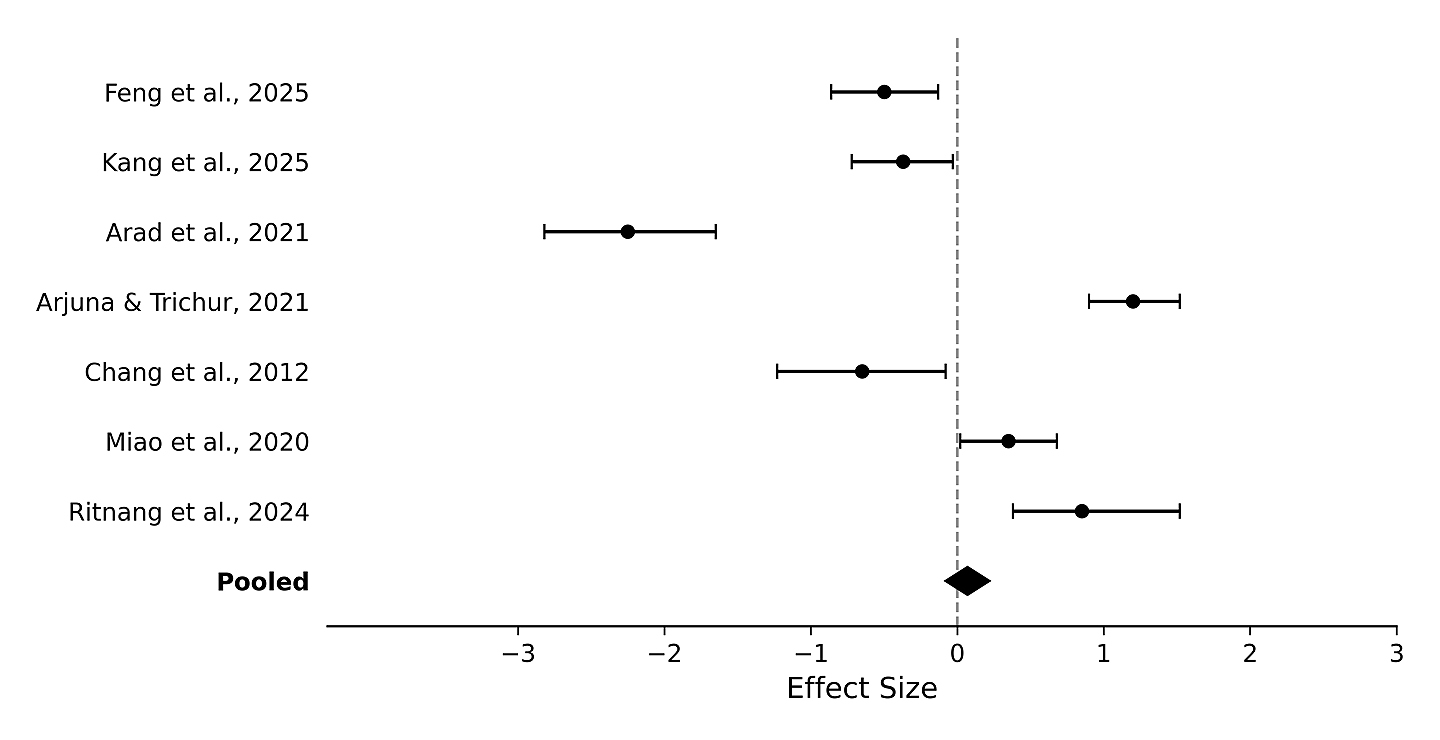 Figure 6. Forest plot for metabolic and nutritional health.
The meta-analysis for cardiovascular disease risk included seven studies that provided sufficient data for effect size calculation. The pooled effect size was −0.21 (95% CI: −0.23 to −0.19, z = −21.14, p < 0.000001), indicating a statistically significant reduction in cardiovascular disease risk among elderly participants receiving nurse-led programs compared with those receiving the usual care. This finding suggests that nurse-led interventions are effective at lowering cardiovascular risk factors, such as blood pressure, cholesterol, or composite risk scores, in older adults.
We observed considerable variability in the direction and magnitude of individual study effects. The largest effect favouring the intervention was reported by Chang et al. (2012) [19], who found a substantial effect of −0.66 (95% CI: −1.23 to −0.10) in a nurse-led empowerment program for hypertensive patients with metabolic syndrome. Zhu et al. (2018) [20] also reported a moderate effect of −0.56 (95% CI: −0.90 to −0.21) in a nurse-led hypertension management model in an urban community setting. The study by Savarese et al. (2019) [25], which contributed an overwhelming weight of more than 9,700 because of its extremely large sample size of more than 40,000 participants, reported a small but highly significant effect of −0.22 (95% CI: −0.24 to −0.20), effectively pulling the pooled estimate towards this value. In contrast, several studies reported effects favouring the control group. Cheng et al. (2016) [24] found a moderate positive effect of 0.52 (95% CI: 0.07 to 0.97), indicating higher cardiovascular risk in the intervention group of a nurse-led heart failure clinic. Premkumar et al. (2022) [21] reported a positive effect of 0.50 (95% CI: −0.00 to 1.01), which approached but did not reach statistical significance. Ritngam et al. (2024) [23] showed a large positive effect of 0.94 (95% CI: 0.37 to 1.50), while Miao et al. (2020) [22] reported a small positive effect of 0.36 (95% CI: 0.04 to 0.67), both indicating worse cardiovascular outcomes in the intervention group. The high heterogeneity observed (I2 = 88.63%) underscores the need for cautious interpretation, as the pooled estimate is heavily influenced by the large study by Savarese et al. (2019) [25] and may not be representative of the true effect in all settings. The forest plot in Figure 7 illustrates the distribution of individual study effects and the overall pooled estimate.
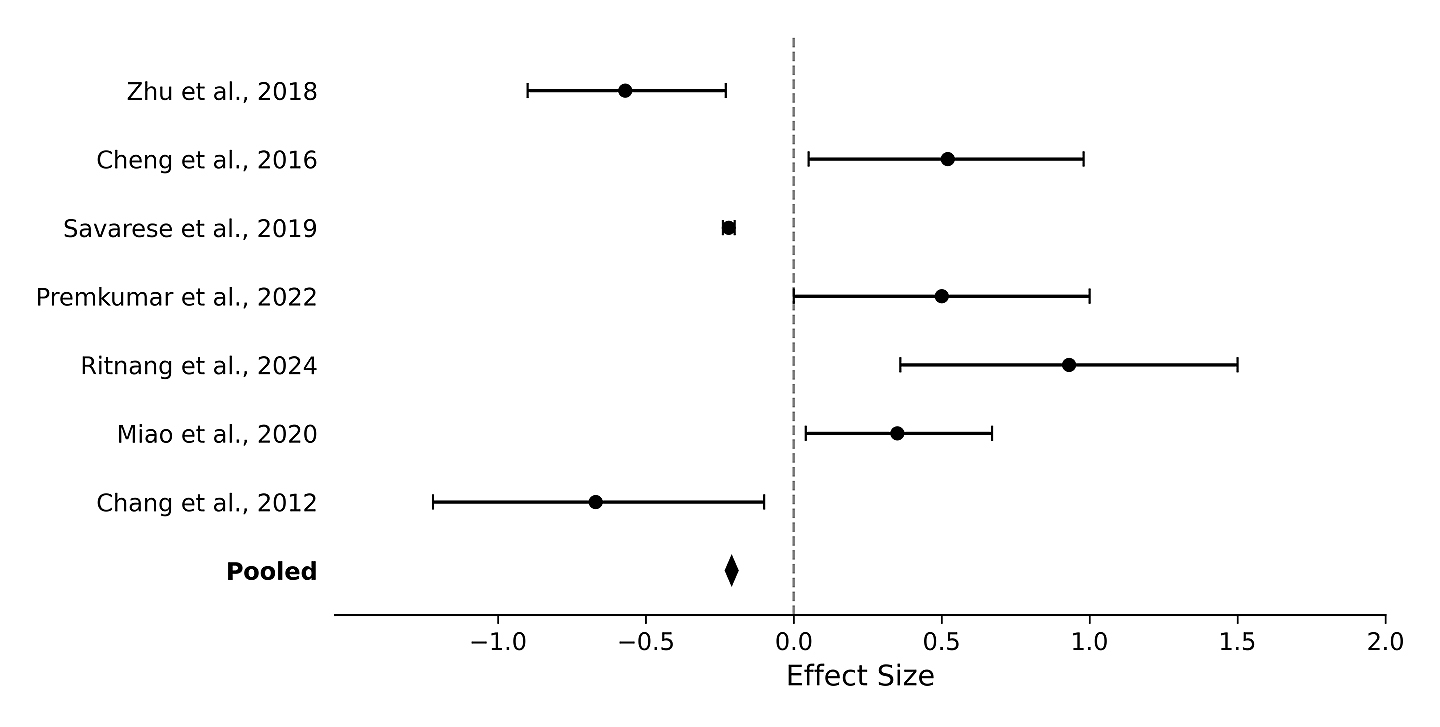 Figure 7. Forest plot for cardiovascular disease risk.
The meta-analysis for frailty included five studies that provided sufficient data for the effect size calculation. The pooled effect size was −0.22 (95% CI: −0.24 to −0.20, z = −21.69, p < 0.000001), indicating a statistically significant reduction in frailty among elderly participants who received nurse-led programs compared with those who received the usual care. This finding suggests that nurse-led interventions are effective at mitigating frailty, a critical geriatric syndrome characterized by increased vulnerability to adverse health outcomes.
We observed considerable variability in the magnitude of individual study effects, although all the studies favoured the intervention. The largest effect was reported by Kang et al. (2025) [38], who found a moderate effect of −0.58 (95% CI: −0.87 to −0.28) in a multifaceted group-based frailty prevention program for older adults in a community setting. Lee et al. (2026) [40] also reported a moderate effect of −0.49 (95% CI: −1.12 to 0.13), although this difference did not reach statistical significance, likely because of the small sample size of 20 participants per group. Song and Boo (2022) [35] reported a small, nonsignificant effect of −0.22 (95% CI: −0.57 to 0.13) in a nurse-led multicomponent intervention for frail older adults living alone. The study by Savarese et al. (2019) [25], which contributed an overwhelming weight of more than 9,700 because of its extremely large sample size of more than 40,000 participants, reported a small but highly significant effect of −0.22 (95% CI: −0.24 to −0.20), effectively pulling the pooled estimate towards this value. In contrast, Markle-Reid et al. (2021) [45] reported a near-zero effect of 0.03 (95% CI: −0.37 to 0.42), indicating that the nurse-led hospital-to-home transitional care intervention did not benefit older adults with multimorbidity and depressive symptoms. The moderate heterogeneity observed (I2 = 49.50%) suggests that while the overall effect is robust, the magnitude may vary depending on the specific program components and target population. The forest plot in Figure 8 illustrates the distribution of individual study effects and the overall pooled estimate.
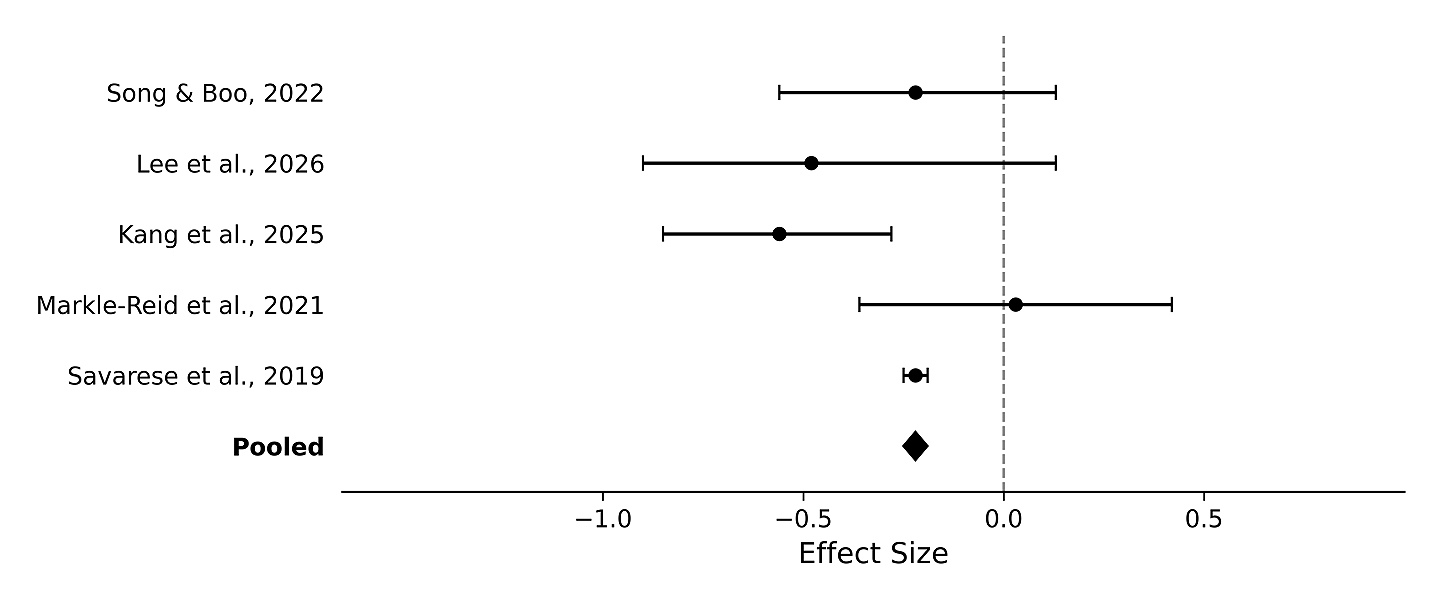 Figure 8. Forest plot for frailty.
The meta-analysis for social support and role participation included four studies that provided sufficient data for effect size calculation. The pooled effect size was 0.49 (95% CI: 0.25 to 0.72, z = 4.07, p = 0.000047), indicating a statistically significant and moderate improvement in social support and role participation among elderly participants receiving nurse-led programs compared with those receiving the usual care. This finding suggests that nurse-led interventions are effective at enhancing older adults’ perceived social support and their ability to participate in social roles and activities.
We observed considerable variability in the magnitude of individual study effects, although all the studies favoured the intervention. The largest effect was reported by Lee et al. (2026) [40], who found a substantial effect of 1.59 (95% CI: 0.88 to 2.30) in a community-based frailty prevention program for prefrail older adults, indicating a very large improvement in social support and role participation. Song and Boo (2022) [35] reported a moderate effect of 0.52 (95% CI: 0.17 to 0.88) in a nurse-led multicomponent intervention for frail older adults living alone. Skolasky et al. (2024) [46] reported a small, nonsignificant effect of 0.38 (95% CI: −0.36 to 1.11) in a nurse-led web-based self-management program for patients with chronic low back pain, although this study had a small sample size and wide confidence intervals. In contrast, Markle-Reid et al. (2021) [45] reported a small, nonsignificant effect of 0.14 (95% CI: −0.26 to 0.53) in a nurse-led hospital-to-home transitional care intervention for older adults with multimorbidity and depressive symptoms. The moderate-to-high heterogeneity observed (I2 = 75.65%) suggests that while the overall effect is robust, the magnitude may vary depending on the specific program components and target population. The forest plot in Figure 9 illustrates the distribution of individual study effects and the overall pooled estimate.
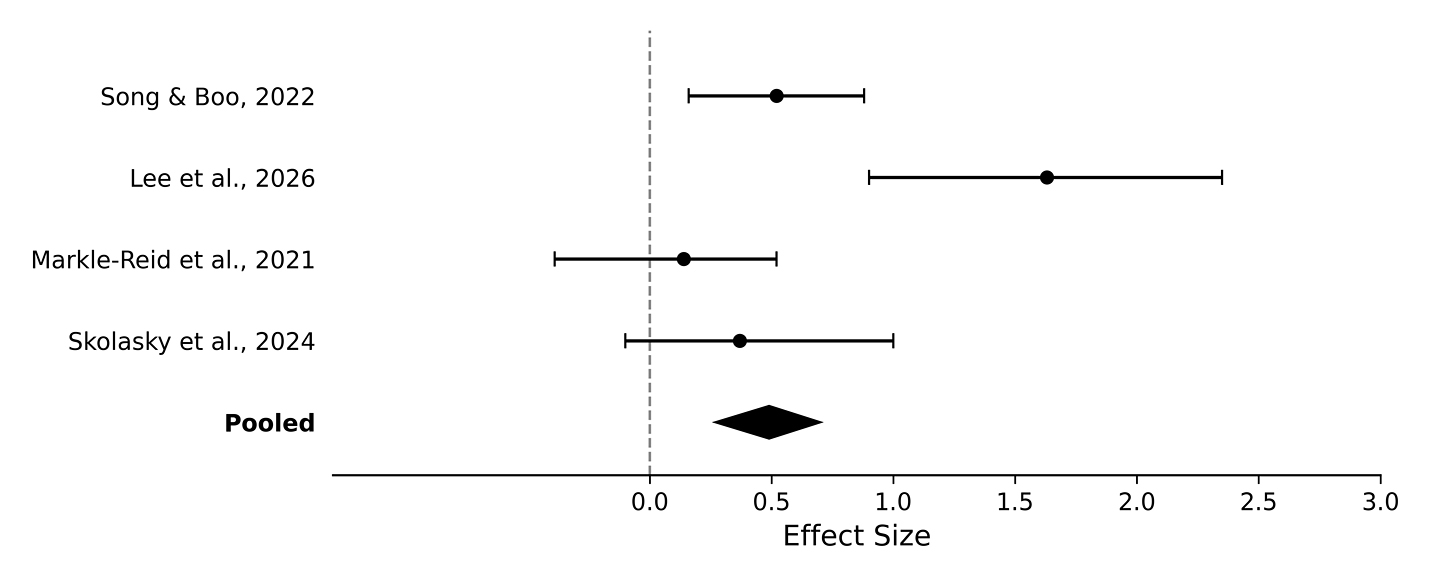 Figure 9. Forest plot for social support and role participation.
The meta-analysis for quality of life and health status included four studies that reported this outcome as a binary measure, typically reflecting the proportion of participants who achieved a clinically meaningful improvement or a favourable health status. The pooled odds ratio was 0.41 (95% CI: 0.37 to 0.45, z = 19.44, p < 0.000001), indicating a statistically significant and substantial reduction in the odds of a favourable quality of life or health status among elderly participants who received nurse-led programs compared with those who received the usual care. This counterintuitive finding suggests that, when measured as a binary outcome, nurse-led interventions were associated with a 59% decrease in the odds of achieving a positive health status, which warrants careful interpretation.
We observed considerable variability in the direction and magnitude of individual study effects. The largest effect favouring the control group was reported by Savarese et al. (2019) [25], who found an odds ratio of 0.41 (95% CI: 0.36 to 0.45) in a large-scale study of nurse-led heart failure clinics involving more than 40,000 participants. This study contributed an overwhelming weight of more than 2,197 because of its extremely large sample size, effectively pulling the pooled estimate towards this value. Marcus-Varwijk et al. (2020) [26] reported an odds ratio of 1.37 (95% CI: 0.98 to 1.76), which favoured the intervention but did not reach statistical significance, indicating a trend towards improved health status in the nurse-led health promotion program for community-dwelling older adults. In contrast, Feng et al. (2025) [11] reported an odds ratio of −1.00 (95% CI: −2.03 to 0.03), which approached but did not reach statistical significance, suggesting a trend towards worse outcomes in the intervention group of a nurse-led cardiac rehabilitation program. Mo et al. (2021) [13] reported an odds ratio of −0.27 (95% CI: −0.82 to 0.29), which also favoured the control group but did not reach statistical significance. The high heterogeneity observed (I2 = 91.82%) underscores the need for cautious interpretation, as the pooled estimate is heavily influenced by the large study by Savarese et al. (2019) [25] and may not be representative of the true effect in all settings. The forest plot in Figure 10 illustrates the distribution of individual study effects and the overall pooled estimate.
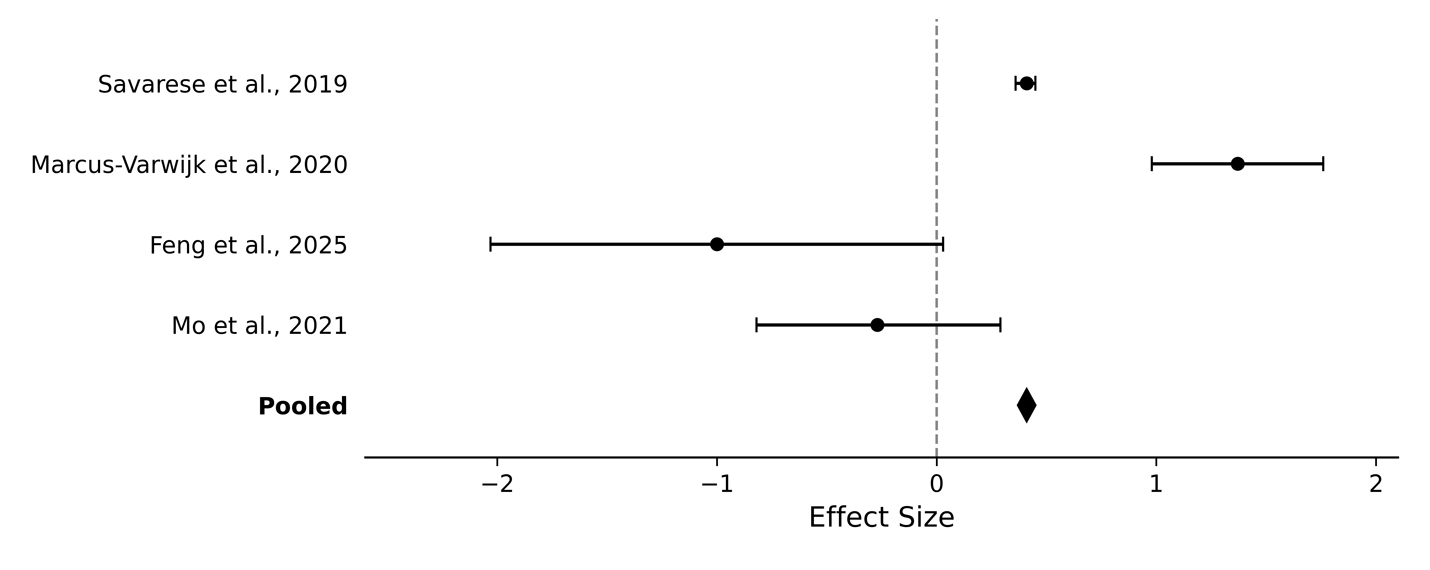 Figure 10. Forest plot for quality of life and health status.
The meta-analysis for patient satisfaction included two studies that provided sufficient data for effect size calculation. The pooled effect size was 1.12 (95% CI: 0.72 to 1.52, z = 5.50, p < 0.000001), indicating a large and statistically significant improvement in patient satisfaction among elderly participants who received nurse-led programs compared to those who received the usual care. This finding suggests that nurse-led interventions are highly effective at increasing older adults’ satisfaction with the care they receive, which is a critical patient-reported outcome reflecting the quality and acceptability of healthcare services.
We observed considerable variability in the magnitude of individual study effects, although both studies favoured the intervention. The larger effect was reported by Bak and Uhm (2024) [44], who found a substantial effect of 1.69 (95% CI: 1.01 to 2.37) in a nurse-led app-based home exercise program for patients after total knee arthroplasty, indicating a very large improvement in satisfaction with the intervention. Similarly, Rhiantong et al. (2018) [15] reported a moderate-to-large effect of 0.82 (95% CI: 0.33 to 1.31) in an advanced practice nurse-led continuing care program for people with heart failure. The moderate-to-high heterogeneity observed (I2 = 75.55%) suggests that while the overall effect is robust, the magnitude may vary depending on the specific program components and target population. The forest plot in Figure 11 illustrates the distribution of individual study effects and the overall pooled estimate.
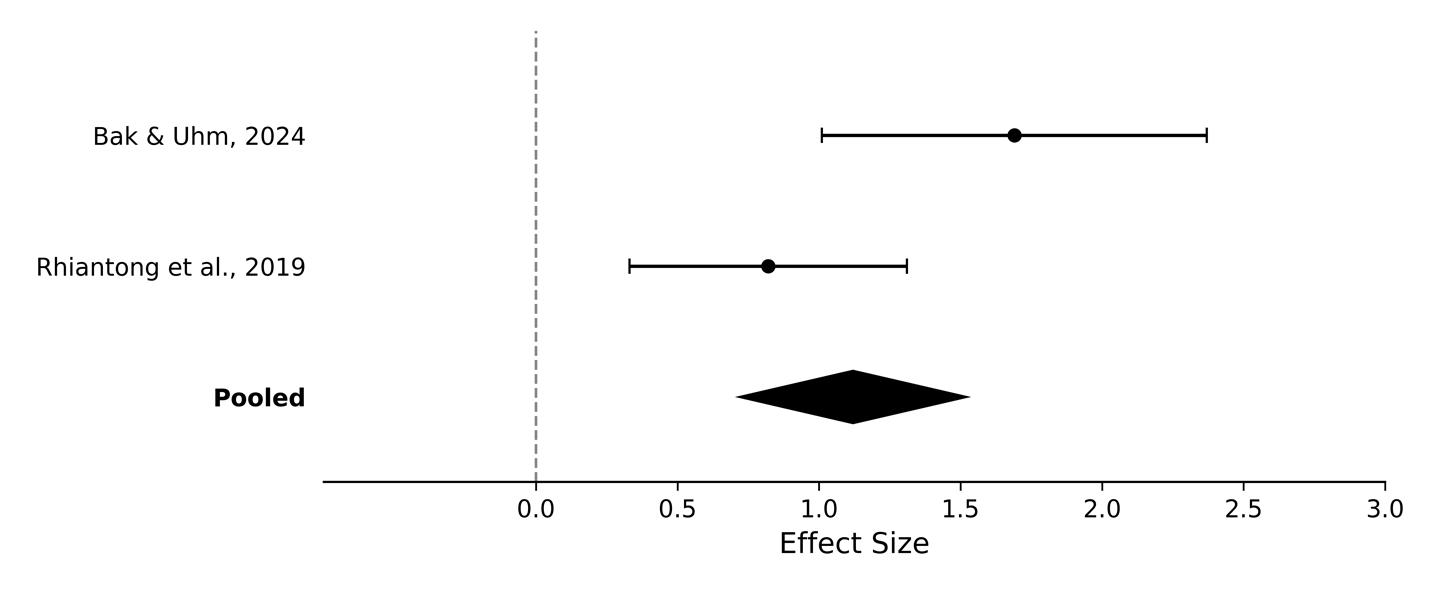 Figure 11. Forest plot for patient satisfaction.
The meta-analysis for mortality included three studies that reported this outcome as a binary event, typically reflecting the number of deaths occurring during the follow-up period in each group. The pooled risk difference was 0.01 (95% CI: −0.07 to 0.09, z = 0.15, p = 0.881), indicating that there was no statistically significant difference in mortality between elderly participants who received nurse-led programs and those who received the usual care. This null finding suggests that, on average, nurse-led interventions did not produce a meaningful reduction in the risk of death across the included studies.
We observed considerable variability in the direction and magnitude of individual study effects. The largest effect favouring the intervention was reported by Cheng et al. (2016) [24], who found a risk difference of −0.24 (95% CI: −0.42 to −0.07), indicating a statistically significant reduction in mortality among patients with heart failure who received a nurse-led heart failure clinical intervention. This study contributed a moderate weight of 122.46 to the pooled analysis. In contrast, Mårtensson et al. (2005) [27] reported a risk difference of 1.26 (95% CI: −0.07 to 2.59), which approached but did not reach statistical significance, suggesting a trend towards higher mortality in the intervention group of a nurse-led primary health care intervention for patients with heart failure. This study had a very small weight of 2.16 because of its wide confidence intervals. A study by Van Den Wijngaart et al. (2015) [18] reported a near-zero risk difference of 0.07 (95% CI: −0.02 to 0.16), which was not statistically significant, indicating that a nurse-led multidisciplinary intervention did not significantly improve the cardiovascular disease profile. This study contributed the largest weight of 460.64 because of its relatively large sample size and narrow confidence intervals, effectively pulling the pooled estimate towards zero. The high heterogeneity observed (I2 = 84.40%) underscores the need for cautious interpretation, as the pooled null effect masks substantial differences across studies. The forest plot in Figure 12 illustrates the distribution of individual study effects and the overall pooled estimate.
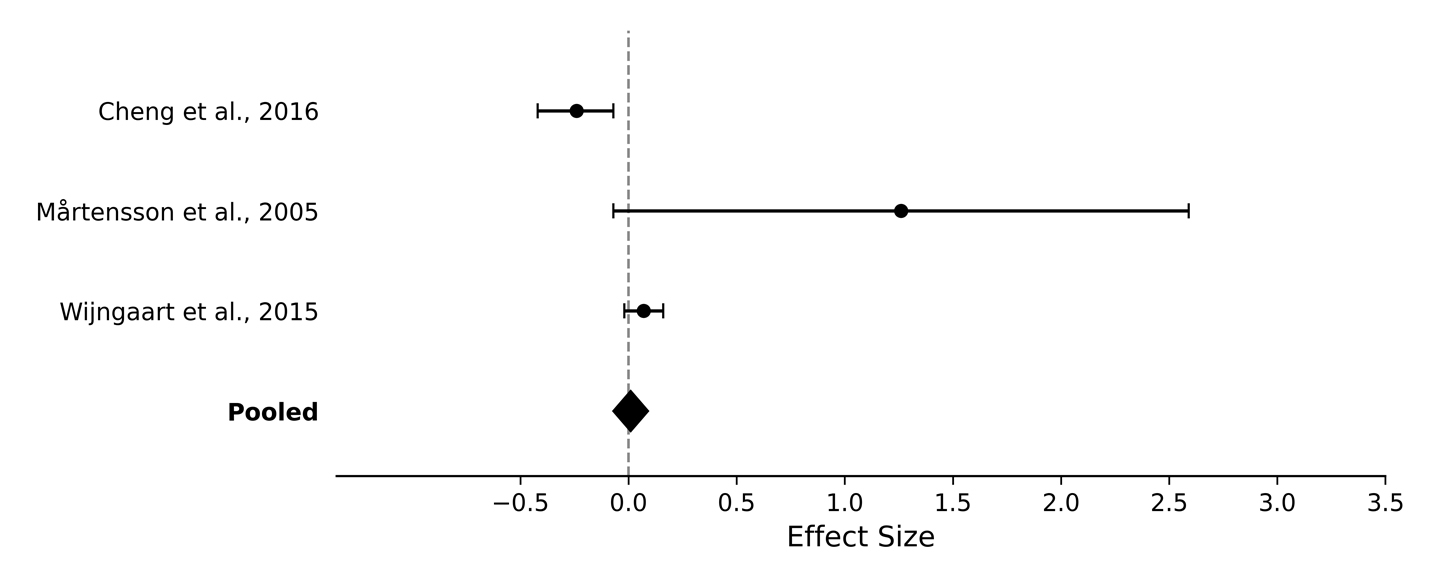 Figure 12. Forest plot for mortality.
The meta-analysis for compliance and motivation included three studies that reported this outcome as a correlation coefficient, reflecting the association between participation in nurse-led programs and adherence to recommended behaviours or motivational levels. The pooled effect size was 0.38 (95% CI: 0.24 to 0.52, z = 5.45, p < 0.000001), indicating a statistically significant and moderate positive correlation between nurse-led interventions and improved compliance and motivation among elderly participants. This finding suggests that nurse-led programs are effective at enhancing older adults’ adherence to treatment regimens and their motivation to engage in health-promoting behaviours.
We observed considerable variability in the direction and magnitude of individual study effects. The largest positive effect was reported by Kasa et al. (2024) [42], who found a strong correlation of 1.00 (95% CI: 0.75 to 1.24) in a nurse-led frailty intervention for community-dwelling older people in Ethiopia, indicating a very large improvement in compliance and motivation. This study contributed a weight of 63.00 to the pooled analysis. Pan and Chen (2019) [51] also reported a moderate positive correlation of 0.45 (95% CI: 0.23 to 0.67) in a nurse-led cognitive behavioural protocol for dementia caregivers, suggesting enhanced coping strategies and motivation. This study contributed the largest weight of 79.00 because of its relatively narrow confidence intervals. In contrast, Sng et al. (2023) [34] reported a negative correlation of −0.34 (95% CI: −0.59 to −0.09), indicating that the nurse-led glaucoma education program was associated with lower compliance motivation levels among patients. This study contributed a weight of 61.00 to the pooled analysis. The high heterogeneity observed (I2 = 96.45%) underscores the need for cautious interpretation, as the pooled positive effect masks substantial differences across studies, with one study showing a strong negative effect. As shown in Figure 13, the forest plot illustrates the distribution of individual study effects and the overall pooled estimate.
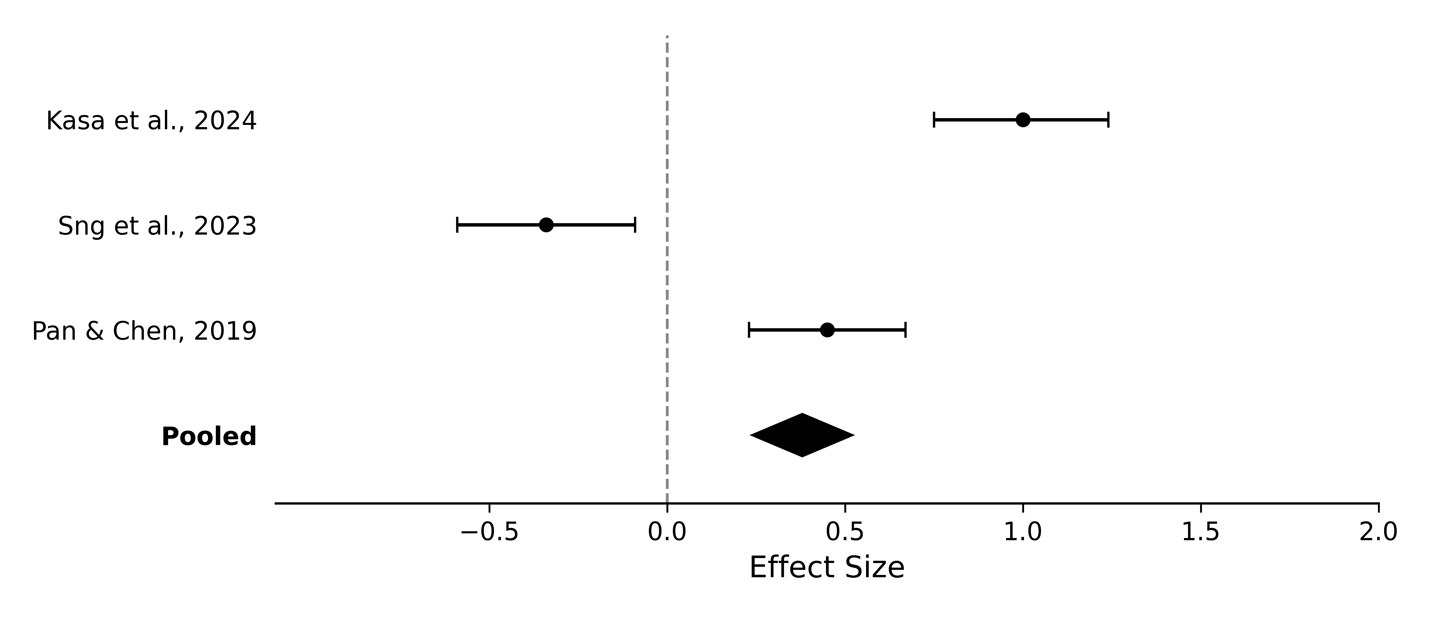 Figure 13. Forest plot for compliance and motivation.
The meta-analysis for metabolic syndrome and glycaemic control included three studies that reported this outcome as a binary event, typically reflecting the proportion of participants who achieved a clinically meaningful improvement in glycaemic control or a reduction in metabolic syndrome components. The pooled odds ratio was −0.46 (95% CI: −0.83 to −0.10, z = −2.47, p = 0.013), indicating a statistically significant reduction in the odds of poor metabolic syndrome and glycaemic control among elderly participants who received nurse-led programs compared with those who received the usual care. This finding suggests that nurse-led interventions are effective at improving glycaemic control and mitigating metabolic syndrome in older adults, which is a critical clinical outcome given the high prevalence of diabetes and metabolic disorders in this population.
We observed considerable variability in the direction and magnitude of individual study effects. The largest effect favouring the intervention was reported by Chang et al. (2012) [19], who found a substantial odds ratio of −2.27 (95% CI: −3.94 to −0.60) in a nurse-led empowerment program for hypertensive patients with metabolic syndrome, indicating a very large reduction in the odds of poor metabolic outcomes. This study contributed a weight of 1.38 to the pooled analysis. Changsieng et al. (2023) [29] also reported a large positive effect, with an odds ratio of 1.82 (95% CI: 0.89 to 2.76), indicating a significant increase in the odds of poor glycaemic control in the intervention group of a nurse-led self-care deficit assessment and supportive education program for community-dwelling older adults with type 2 diabetes. This counterintuitive finding suggests that the intervention may have been associated with worse outcomes in this specific context, possibly because of increased awareness or detection of poor control. In contrast, Rhiantong et al. (2018) [15] reported a moderate negative effect of −0.80 (95% CI: −1.21 to −0.39), indicating a significant improvement in metabolic syndrome and glycaemic control among participants in an advanced practice nurse-led continuing care program for people with heart failure. This study contributed the largest weight of 22.68 to the pooled analysis, effectively pulling the overall estimate towards a favourable effect. The high heterogeneity observed (I2 = 93.36%) underscores the need for cautious interpretation, as the pooled estimate masks substantial differences across studies, with one study showing a strong negative effect and another showing a strong positive effect. The forest plot in Figure 14 illustrates the distribution of individual study effects and the overall pooled estimate.
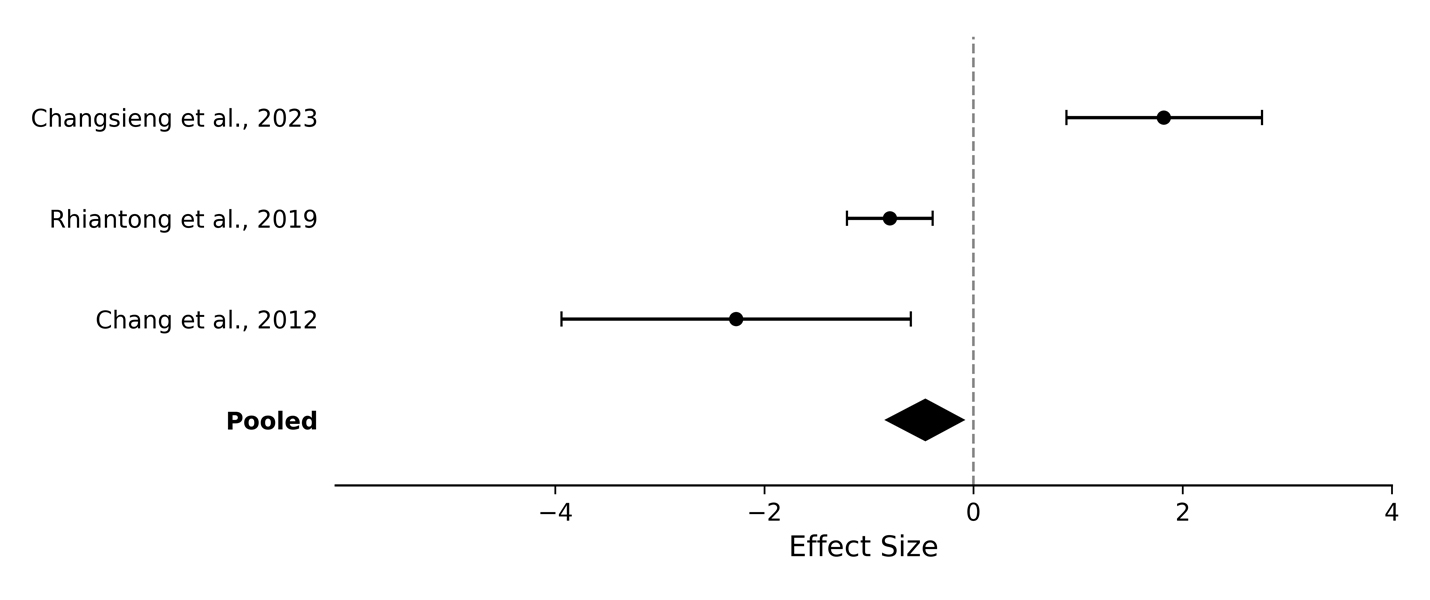 Figure 14. Forest plot for metabolic syndrome and glycaemic control.
To evaluate the potential influence of publication bias on the meta-analytic findings, we constructed a funnel plot and conducted Egger’s regression test for funnel plot asymmetry [52]. The funnel plot, which is presented in Figure 15, displays the distribution of effect sizes from the 80 individual study outcomes included in the meta-analysis against their corresponding standard errors. The plot demonstrates a relatively symmetrical distribution of studies around the overall mean effect, with 40 studies falling to the left of the centre and 40 studies falling to the right. This visual symmetry suggests that there is no strong evidence of systematic publication bias, as studies with both positive and negative effects are equally represented across the range of precision.
The results of Egger’s regression test provided further quantitative support for this observation. The intercept of the regression line was −1.0769, with a corresponding p value of 0.0989, which is not statistically significant at the conventional alpha level of 0.05. This nonsignificant result indicates that there is no significant asymmetry in the funnel plot, thereby reducing concerns about the presence of publication bias. However, importantly, the standard errors of the included studies ranged from 0.0027 to 0.9337, indicating a wide range of precision across studies. The mean absolute deviation from the centre was 0.7677, and the standard deviation of the effect sizes was 1.0225, reflecting substantial variability in the magnitude of effects. Furthermore, the mean effect size for studies on the left side of the funnel was −0.4344, while that for studies on the right side was 1.1009, suggesting that while the distribution is balanced in terms of count, the magnitude of effects is larger on the right side. This asymmetry in effect magnitude, despite the nonsignificant result of Egger’s test, may warrant cautious interpretation, as it could reflect genuine heterogeneity in intervention effects rather than publication bias. Overall, the assessment suggests that publication bias is unlikely to have substantially distorted the pooled effect estimates, although the possibility of small-study effects cannot be entirely excluded.
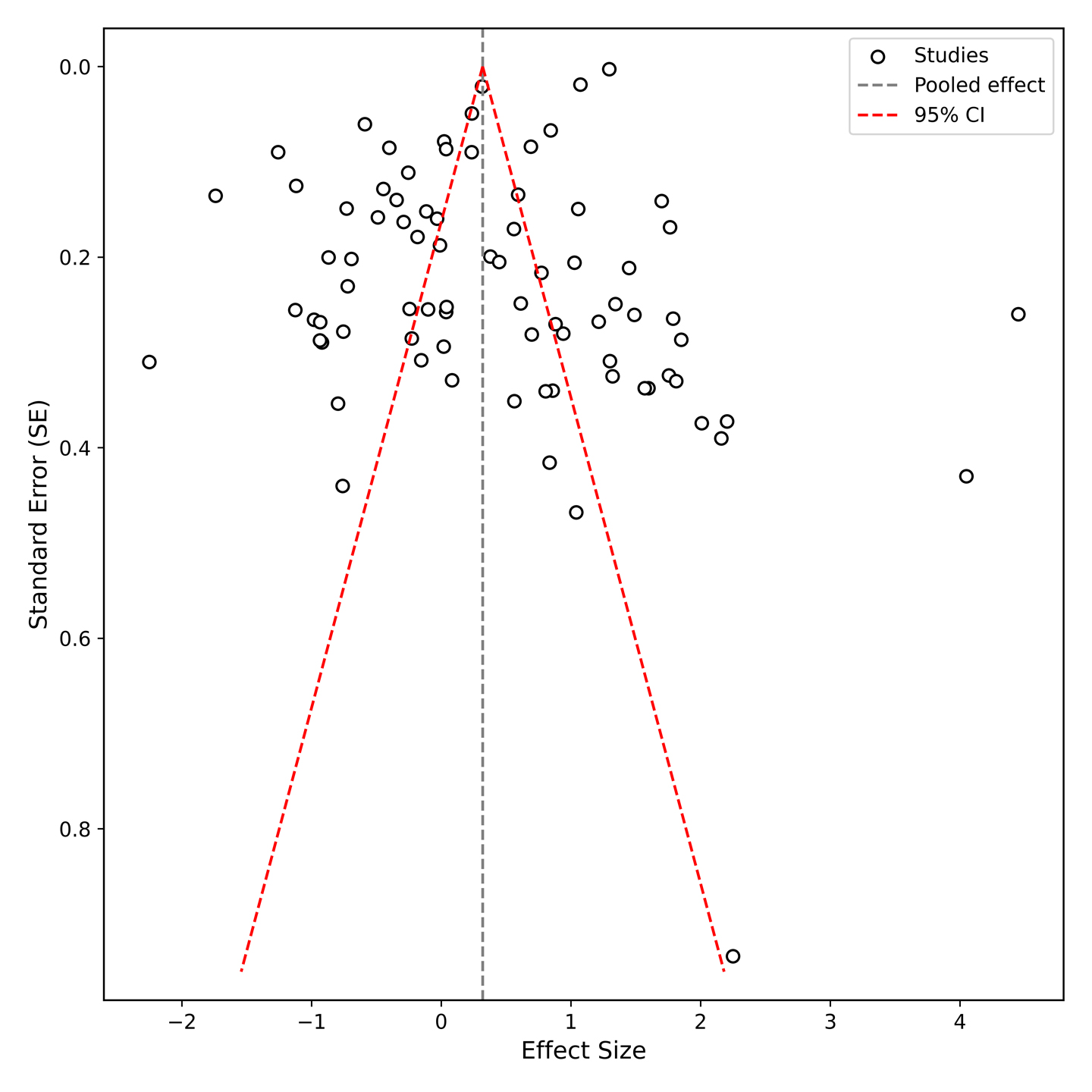 Figure 15. Funnel plot for assessment of publication bias.
This systematic review and meta-analysis found benefits across several psychosocial, functional, and selected clinical domains, together with null or inconsistent effects in other domains. The most important interpretive finding is that nurse-led programs were not a homogeneous intervention. Effects varied across program purpose, content, care setting, population, delivery method, contact intensity, and follow-up. Accordingly, the pooled estimates represent averages across diverse models and should not be interpreted as evidence that the nurse-led designation alone produces benefit.
A cohesive narrative moreover emerges from the synthesis of these findings, indicating the unique value of the role of nursing in fostering patient activation and self-management. The large and consistent effect on empowerment (SMD = 1.23) is a particularly striking result, as it suggests that nurse-led programs are exceptionally effective at equipping older adults with the knowledge, skills, and confidence to manage their own health. This finding aligns with the theoretical underpinnings of patient-centred care and self-efficacy models, which posit that empowering patients is a critical mechanism for improving long-term health outcomes [53]. The moderate-to-large effects on patient satisfaction (SMD = 1.12) and compliance and motivation (r = 0.38) further reinforce this narrative, indicating that the relational and educational components of nurse-led care are highly valued by older adults and translate into improved adherence to treatment regimens. The significant improvement in social support and role participation (SMD = 0.49) also suggests that these programs may help mitigate the social isolation that is prevalent among the elderly, thereby addressing a critical determinant of well-being. These psychosocial benefits, which have been consistently reported across multiple studies, represent a core strength of the nurse-led model that may be less pronounced in more traditional, physician-centric approaches.
The findings are most useful when interpreted at the level of program design. Benefits were more clinically plausible in programs that combined a clearly defined nursing role with repeated contact, structured education and goal setting, monitoring, and responsibility for follow-up or care coordination [15,19,20,31,35,40]. Conversely, null or inconsistent effects may reflect low intervention intensity, short follow-up, limited fidelity, mismatch between the intervention component and the measured outcome, or populations requiring specialized mental health or medical treatment beyond the program’s scope. These patterns generate hypotheses for service design; the available data do not permit causal identification of an individual active component or delivery method.
The null findings for depression and mental health, metabolic and nutritional health, and mortality therefore require cautious interpretation. High heterogeneity for depression (I2 = 93.67%) suggests that baseline severity, intervention type, and measurement sensitivity may have influenced the results. Likewise, complex metabolic and nutritional outcomes may require coordinated behavioural, medical, and medication-related management over longer follow-up. Only three studies contributed to the mortality analysis, limiting precision. These findings indicate uncertainty and context dependence rather than proof that all nurse-led approaches are ineffective for these outcomes.
Implications for Daily Geriatric CareIn daily care, program intensity should be matched to older adults’ needs. For relatively stable patients, useful components may include a focused assessment, structured health education, collaborative goals, a written self-management or escalation plan, and scheduled telephone or digital follow-up. Older adults with multimorbidity, frailty, or a recent care transition may require repeated comprehensive assessment; home or clinic follow-up; monitoring of symptoms and condition-specific indicators such as blood pressure, weight, or glucose; medication reconciliation and adherence guidance within the protocol; and prompt escalation to prescribers or other professionals when clinical thresholds are crossed. Transitional and chronic disease programs should also specify who coordinates referrals and maintains continuity across settings.
Frailty prevention can integrate strength and balance activity, falls-risk and home-safety review, nutritional screening, and functional goals. Caregiver support should include an assessment of caregiver capacity, practical education, clear contact routes, and referral for respite or community resources. Social participation can be promoted through individualized activity goals and links to local services. Implementation requires defined nurse competencies, protocols, manageable caseloads, continuity, accessible and culturally appropriate materials, alternatives for people unable to use digital tools, and routine monitoring of fidelity, patient-reported outcomes, clinical outcomes, and adverse events.
LimitationsThis review has several limitations. First, substantial heterogeneity across most outcomes limits the meaning of a single pooled effect. The variation reflected differences in intervention purpose and components, care setting, provider role, delivery mode, intensity, duration, participant characteristics, outcome instruments, follow-up, comparator care, study design, and risk of bias. Random-effects models accommodate between-study variance but do not make clinically dissimilar programs directly comparable. Second, intervention categories were overlapping and reporting of dose, fidelity, and usual-care content was incomplete. The number of studies within most outcome-by-component strata was too small for reliable subgroup analysis or meta-regression; therefore, this review cannot identify which component or delivery method caused an observed effect. Third, combining randomized and quasi-experimental evidence increased breadth but also susceptibility to confounding and selection bias. Fourth, English-language restriction and failure to retrieve 54 reports may have introduced language and retrieval bias. Fifth, screening, extraction, and risk-of-bias assessment by a single author increased the possibility of error or subjective judgement. Finally, publication-bias tests had limited power for outcomes represented by only a few studies, and several pooled estimates were strongly influenced by large cohorts. The findings should therefore be interpreted as exploratory and context dependent.
In the FutureFuture studies should report intervention content and delivery using sufficient detail to permit replication, including nurse qualifications and decision authority, component sequence, contact frequency and duration, follow-up, fidelity, co-interventions, and usual-care content. Adequately powered trials should prospectively compare specific components or delivery strategies, such as education alone versus education plus monitoring and case management, and should examine moderators including baseline frailty, cognitive status, multimorbidity, caregiver support, and digital access. Longer follow-up, cost-effectiveness, implementation outcomes, hospitalization and mortality, caregiver outcomes, and potential harms remain important priorities.
This systematic review and meta-analysis of 41 studies suggest that nurse-led programs can improve empowerment, patient satisfaction, social support and role participation, compliance and motivation, functional outcomes, and selected clinical indicators in older adults. However, effects on depression and mental health, metabolic and nutritional health, and mortality were uncertain, and substantial heterogeneity was present in most domains. The pooled results are averages across diverse programs and should not be interpreted as evidence that nurse leadership alone is the active ingredient.
For geriatric practice, the most actionable approach is to match clearly specified components to patient need through education and goal setting, planned follow-up, chronic disease and symptom monitoring, medication reconciliation and adherence guidance, frailty and falls prevention, caregiver support, care coordination, and opportunities for social participation. Programs should define nurse competencies, escalation pathways, contact intensity, and fidelity measures before implementation.
Future research should directly compare intervention components and delivery methods, use standardized outcome measures, and report long-term clinical, implementation, caregiver, and economic outcomes. Such work is needed to determine which nurse-led models work best, for whom, and under what care conditions.
Not applicable.
Declaration of Helsinki STROBE Reporting GuidelineThis systematic review was reported in accordance with the PRISMA 2020 statement. As the review used published data and involved no human participants, the Declaration of Helsinki and STROBE were not applicable.
In accordance with the conditions outlined in the identifiable information included in the data file and survey materials, these items will be made available.
The author declares that they have no conflicts of interest.
This research received no external funding.
I would like to express my sincere gratitude to the peer reviewers for providing valuable information in the process of preparing this review.
1.
2.
3.
4.
5.
6.
7.
8.
9.
10.
11.
12.
13.
14.
15.
16.
17.
18.
19.
20.
21.
22.
23.
24.
25.
26.
27.
28.
29.
30.
31.
32.
33.
34.
35.
36.
37.
38.
39.
40.
41.
42.
43.
44.
45.
46.
47.
48.
49.
50.
51.
52.
53.
Okawa Y. Effects of Nurse-Led Programs on Psychosocial, Functional, and Clinical Outcomes in Older Adults: A Systematic Review and Meta-Analysis. Adv Geriatr Med Res. 2026;8(4):e260027. https://doi.org/10.20900/agmr20260027.

Copyright © Hapres Co., Ltd. Privacy Policy | Terms and Conditions


